
Natural fruit powder for food coloring can contribute hue, fruit identity, acidity, aroma, and solids at the same time. That combination is attractive for bakery, confectionery, dry beverages, dairy-style products, coatings, and snacks, but it also makes fruit powder less predictable than a color ingredient selected only for tint strength.
Developers should treat color as an application result. The fruit species, cultivar, maturity, freeze-drying cycle, powder composition, particle size, formula pH, heat, oxygen, light, water activity, dosage, and storage conditions can all change the visible outcome.
Choose A Fruit Family For The Target Hue
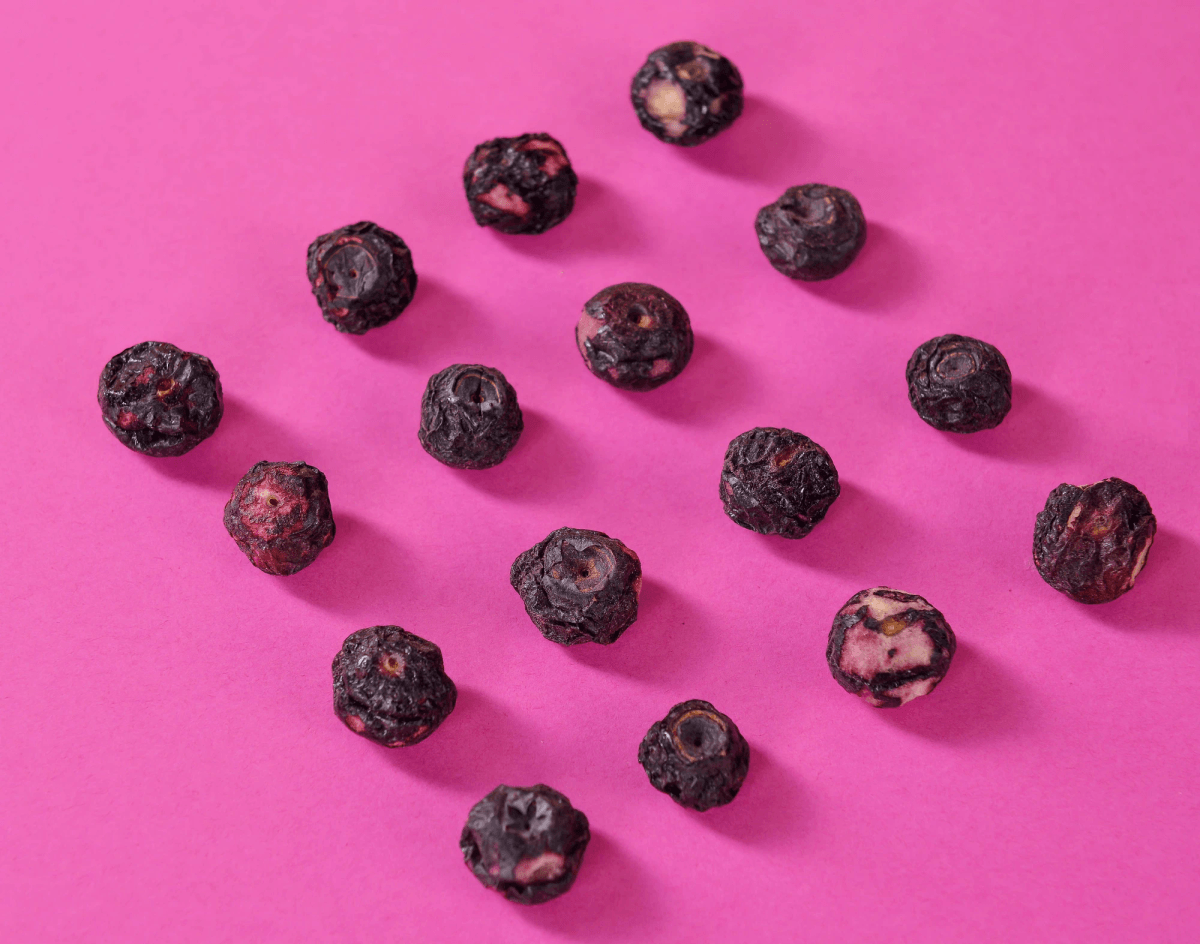
Berry powders can deliver pink, red, purple, or blue-purple directions, depending on pigment profile and pH. Dragon fruit may support vivid pink development. Mango, orange, lemon, and passion fruit can contribute yellow-to-orange tones but also bring distinctive acidity and flavor. The actual shade must be confirmed in the buyer's base because dairy proteins, cocoa, starch, fat, and other ingredients alter both color and perception.
Huaping Jingnan shows strawberry, blueberry, raspberry, blackberry, and mulberry products alongside a broader fruit range that includes dragon fruit and several tropical and citrus options. Buyers should confirm whether the desired powder format, composition, and lot documentation are available for the exact project.
Separate Fruit Powder From A Standardized Color
A fruit powder may be valued as a food ingredient that also colors, or it may be used primarily to impart color. Regulatory treatment and label declaration vary by substance, processing, intended technical effect, dosage, market, and food category. In the United States, FDA explains that color additives include substances derived from natural sources and are subject to approval and use conditions. Exempt from certification does not mean exempt from regulation.
Do not assume that any colorful fruit powder may be marketed as a color additive in any food. Regulatory specialists should verify the exact ingredient's status, permitted use, limits, specifications, and declaration in each sales market. Vegetable or fruit powders used as ingredients also need appropriate common or usual names on labels.
Composition Determines Color Strength And Handling
Confirm whether the powder contains only fruit solids or uses a carrier such as maltodextrin. A carrier can influence drying, flowability, stickiness, color intensity per gram, flavor, carbohydrate contribution, and label declaration. Ask for the full ingredient statement, fruit solids basis where relevant, moisture, water activity, mesh distribution, bulk density, and storage instructions.
Build A Dose Curve Instead Of Picking One Sample

Prepare at least three use levels in the uncolored base and record instrumental color values where possible. Evaluate hue, uniformity, flavor, aroma, acidity, mouthfeel, and cost per finished unit. A higher dose may deepen color but make the fruit flavor or acidity unacceptable. In protein or dairy-style systems, acidic fruit can also affect protein behavior, so add powder in the same order and conditions planned for production.
For dry mixes, check dispersion after consumer preparation and watch for floating particles, sediment, speckling, or clumps. In fat coatings, the powder may not distribute like a water-soluble color. In bakery, assess both crumb and surface because heat and moisture gradients differ.
Control Lot Variation Without Demanding An Artificial Uniformity
Fruit pigments naturally vary. Agree an incoming color range using an approved standard and instrument method, then test the powder in a standard application base. Include sensory limits, mesh, moisture, water activity, bulk density, carrier declaration, and microbiological criteria. If color is critical to brand identity, establish blending or formula-adjustment rules before a lot falls outside the ideal center point.
Scale-up can change the shade even when the powder lot is unchanged. Production mixing energy, addition order, hold time, shear, heating rate, equipment surface, and batch depth may differ from the laboratory. Sample the beginning, middle, and end of filling and compare both fresh and stored product. Record formula and process settings with color data so the team can separate ingredient variation from manufacturing variation.
- Protect powder from humidity during sampling, weighing, and production.
- Use sealed retained samples to separate ingredient drift from storage damage.
- Validate the final package for light, oxygen, and moisture exposure.
- Require notice of composition, carrier, process, or source changes.
- Review label and claims for every destination market.
Turn The Color Brief Into A Supplier Trial

Huaping Jingnan's custom workflow can support a discussion about powder format and packaging, but exact powder composition, availability, particle size, and documents should be confirmed. Submit the food category, base color, target shade, pH, process temperature and time, dosage range, package, shelf-life conditions, and regulatory market through the fruit powder development contact. The result should be judged in the final application, not from the dry powder alone.