
Freeze-dried vegetable powder can bring recognizable vegetable flavor, natural color, and fine particulate texture to chips, puffs, crackers, nuts, popcorn, instant savory mixes, and extruded snacks. Successful scale-up depends on more than selecting a vegetable. The powder has to flow through the seasoning system, adhere to the base, remain evenly distributed, survive storage, and fit the finished ingredient declaration.
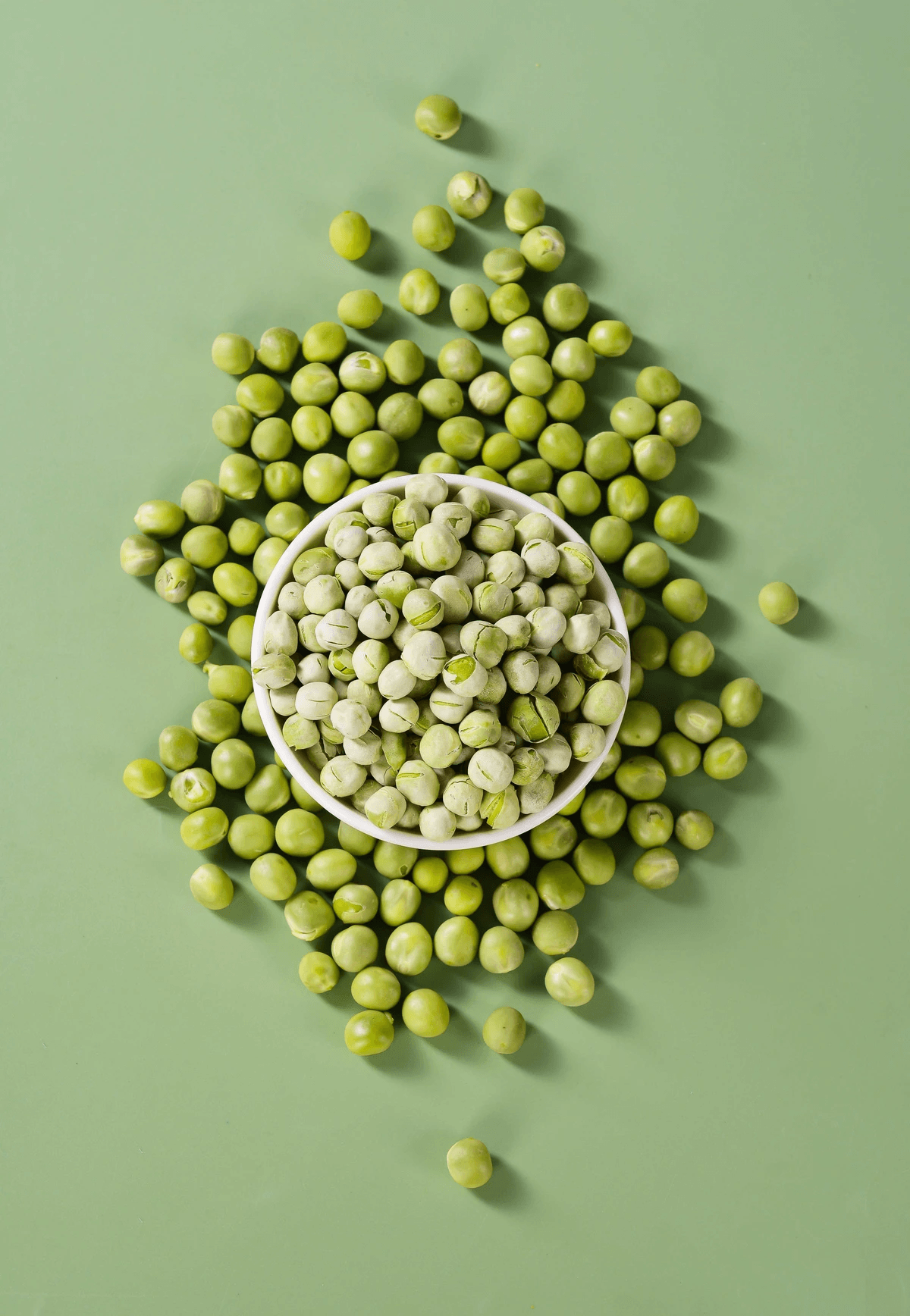
Huaping Jingnan presents freeze-dried vegetable products, including visible broccoli and green-pea examples in its broader catalog. Powder availability, composition, mesh, and regular supply should be confirmed for each project rather than inferred from a whole-piece listing.
Start With The Desired Eating Sequence
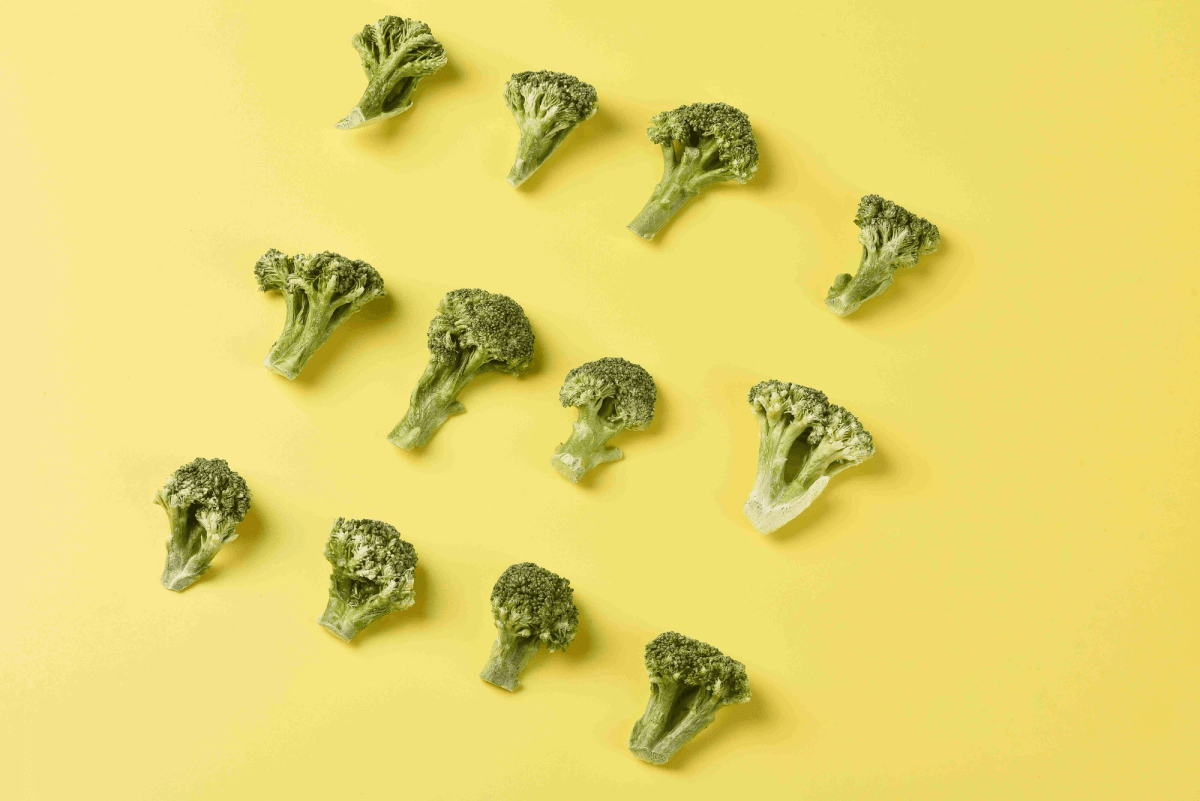
Decide what the consumer should perceive first: salt, vegetable aroma, acidity, heat, umami, or fat-carried flavor. Green pea can suggest sweet-green notes; broccoli can contribute a deeper brassica character. A powder that tastes balanced in water may behave differently on a fried chip because oil changes aroma release and bitterness perception.
Build the seasoning in layers. Test vegetable powder alone on the base, then add salt, acid, sweetener, spices, yeast-derived ingredients, or other flavor components one at a time. This shows whether the vegetable powder supplies the core identity or acts as supporting background.
Specify The Powder As A Production Material
| Powder Attribute | Line Effect | Practical Test |
|---|---|---|
| Mesh and particle shape | Adhesion, dusting, visual speckle, and segregation | Sieve analysis before and after blending. |
| Bulk density and flow | Feeder calibration and dose consistency | Timed flow, tapped density, and repeated feeder-dose weights. |
| Hygroscopicity | Clumps, blocked feeders, and color spots | Controlled open-time trial at production humidity. |
| Color and flavor strength | Batch appearance and sensory dose | Standard-base application at multiple use levels. |
Design The Adhesion System With The Powder
Adhesion depends on the snack surface, oil amount and temperature, powder size, seasoning order, drum residence time, and ambient humidity. Measure seasoning pickup by weighing product before and after application, then quantify powder left in the drum and package. Excess oil may improve pickup but produce a greasy texture or accelerate oxidation; too little can leave most powder at the bottom of the bag.
For baked or low-oil snacks, a binder or different application sequence may be needed. Verify every added processing aid or carrier for label compatibility. A clean-looking green powder does not guarantee a short finished ingredient list.
Check Color Where The Consumer Sees It
Measure the seasoned snack, not only the incoming powder. A yellow corn base, brown baked surface, or dark multigrain chip changes the apparent green. Oil can deepen color, while heat and light can dull it over time. Use instrument readings when color is a release criterion, supported by approved physical samples and controlled photographs.
Run A Line Trial That Captures Losses
- Sample seasoning blend from the top, middle, and bottom of the tote.
- Measure feeder output at startup and after continuous operation.
- Record airborne dust, hopper bridging, drum residue, and bag-bottom seasoning.
- Compare flavor and color across the beginning, middle, and end of the run.
- Retest crispness, caking, flavor, and color after transport and storage.
Powder and base snack can exchange moisture during storage. Use packaging with an appropriate moisture and oxygen barrier for the complete product. Evaluate aroma transfer, oil oxidation, powder discoloration, clumping, and seasoning loss at planned shelf-life checkpoints.
Plan cleaning before the line trial. Fine green powder can remain in hoppers, ducting, drums, and conveyors, then carry into the next flavor. Establish the cleaning sequence, acceptable visual condition, and any analytical verification required by the site's allergen or claim program. Include recovered powder and cleaning loss in the trial mass balance; otherwise the apparent seasoning yield can look better than commercial reality.
Set a usable-life rule after the bulk pack is opened. Record the room humidity, exposure time, resealing method, and any sieving allowed before reuse. Compare flow and dose accuracy at the beginning and end of the period. Smaller bulk units may cost more in packaging but can reduce repeated exposure, caking, line stoppages, and discarded seasoning in lower-volume production.
Build The Supplier Request Around The Seasoning Line
Huaping Jingnan describes automated freeze-drying, QC laboratories, food-grade workshops, and packaging areas in its factory profile. For a savory powder project, convert that background into exact requests: vegetable identity, ingredient composition, mesh, moisture or water activity, bulk density, color range, microbiological limits, packaging, retained samples, and change notification.
Send the snack base, current seasoning formula, target use level, feeder type, process humidity, package, destination market, and expected volume through Huaping Jingnan's vegetable ingredient inquiry. A representative powder sample can then be tested under realistic line conditions before commercial terms are fixed.