
Introduction
This innovative process removes moisture while retaining the essence of the fruit, resulting in vibrant, flavorful freeze dried fruits that are perfect for snacking or cooking. Among these, freeze dried strawberries and freeze dried raspberries stand out as popular choices, offering a burst of sweetness that can elevate any dish.
Understanding Freeze Drying and Its Benefits
Freeze drying is a unique preservation technique that involves freezing fresh fruit and then removing the water content through sublimation. The result is a lightweight, shelf-stable product known as freeze dried fruit, which retains most of its original flavor and nutrients. This method not only extends the shelf life of fruits but also makes them convenient for on-the-go snacking or adding to recipes without worrying about spoilage.
Why Proper Storage Matters
Even though freeze dried fruits like strawberries and raspberries have impressive longevity, proper storage is crucial to maintain their quality over time. Storing these delicate treats in unsuitable conditions can lead to moisture absorption or exposure to light, both of which diminish their taste and texture. By implementing effective storage solutions, you can ensure your freeze dried fruit stays fresh longer—so you can enjoy those tasty bites whenever you crave them!
The Best Types of Freeze Dried Fruits
Freeze dried strawberries are often favored for their sweet taste and vibrant color, making them perfect for smoothies or desserts. Similarly, freeze dried raspberries pack a tart punch that complements both sweet and savory dishes—making them essential staples in any pantry filled with deliciously preserved treats.
Choosing the Right Storage Containers
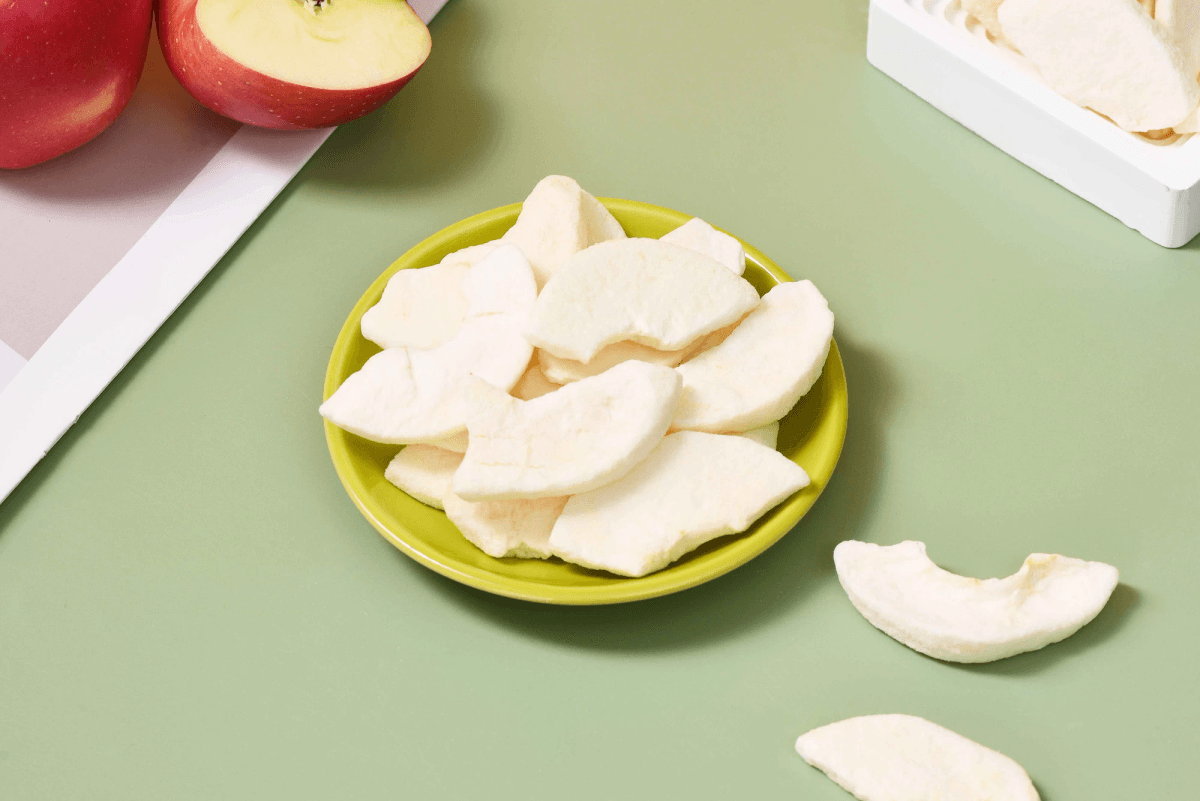
Selecting the right storage containers is crucial for preserving the quality of your freeze dry fruits, including freeze dried strawberries and raspberries. The ideal containers will keep out moisture, air, and light, which can all compromise the integrity of your dried fruit. With so many options available, understanding what works best for your freeze dried fruit is essential.
Selecting Airtight Options
These containers prevent moisture from seeping in and ruining your stash of delicious freeze dried fruit strawberries or other varieties like freeze dried raspberries. Look for options that have a secure seal; this will help maintain the crunchy texture and vibrant flavors of your favorite dried strawberries.
Airtight storage not only preserves flavor but also extends shelf life significantly. Many people underestimate how quickly humidity can affect their precious freeze dry fruits; even small amounts can lead to spoilage. By investing in high-quality airtight containers, you'll ensure that every bite of your freeze dried fruit remains as delightful as the day you bought it.
Glass vs. Plastic: Pros and Cons
Choosing between glass and plastic storage options for your freeze dry fruits can be quite the conundrum! Glass containers are non-reactive and often provide better protection against air exposure; however, they can be heavy and prone to breakage if dropped. On the other hand, plastic containers are lightweight and less likely to shatter but may not offer the same level of sealing effectiveness over time.
For those who prioritize aesthetics or want to showcase their beautiful collection of freeze dried strawberries, glass might be the way to go! Just remember that while glass is great for long-term storage, plastic can be more convenient for everyday use or travel purposes when you're on-the-go with snacks like dried fruit mixes or trail mixes featuring those tasty freeze dried raspberries. Ultimately, consider what aligns best with your lifestyle when making a choice between these two materials.
The Role of Mylar Bags
Mylar bags have become increasingly popular among enthusiasts storing their favorite freeze dry fruits due to their exceptional barrier properties against moisture and oxygen. These bags are made from a type of polyester film that provides an airtight seal while being lightweight and flexible—making them perfect for packing away bulk quantities of freeze dried fruit like strawberries or raspberries without taking up much space in your pantry.
Using Mylar bags also allows you to vacuum seal individual portions if desired; this is especially helpful when you're craving some quick snacks on hiking trips or camping adventures! They come in various sizes too—so whether you’re stashing away large quantities of bulk buy freeze dried fruit or just a few servings for later enjoyment, there’s likely a Mylar option that suits your needs perfectly.
In conclusion, selecting appropriate storage solutions plays an essential role in maintaining the freshness and quality of your beloved frozen treasures! Whether you opt for glass jars with tight seals or versatile Mylar bags filled with deliciously preserved treats like freeze-dried strawberries or raspberries—your choices will undoubtedly impact how long those delightful flavors last!
Ideal Temperature and Humidity Levels
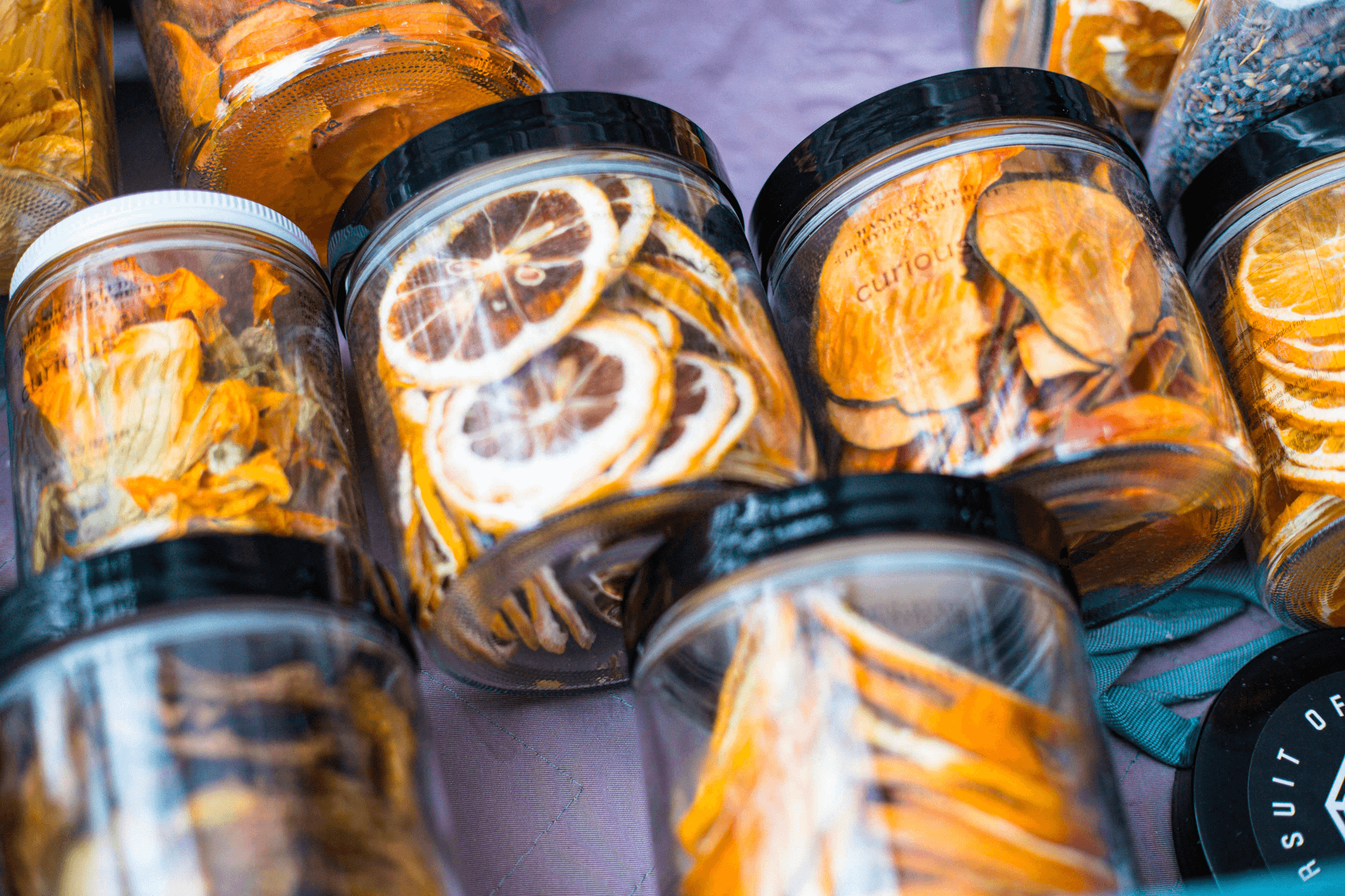
The ideal temperature for storing freeze dried fruits like strawberries and raspberries is cool, typically between 60°F to 70°F (15°C to 21°C). Maintaining low humidity levels—ideally below 15%—is equally critical, as moisture can lead to spoilage and diminish the quality of your freeze dried fruit.
The Perfect Environment for Dried Fruits
Dried fruits thrive in conditions that are stable and consistent. For instance, freeze dried strawberries require a dry atmosphere to prevent clumping or rehydration, which can ruin their texture and flavor. A cool pantry or a dark cupboard often serves as an excellent storage location for freeze dried fruit, keeping them safe from heat and humidity fluctuations.
Avoiding Moisture: Tips and Tricks
Moisture is the arch-nemesis of dried strawberries and raspberries alike, so it's vital to take precautions against it. Always ensure that your storage containers are sealed tightly after each use; this simple act can go a long way in keeping moisture at bay. Additionally, consider using desiccants—those little packets found in shoeboxes—to absorb any excess moisture if you live in a particularly humid area.
Using a Hygrometer for Monitoring
To keep tabs on your storage environment, invest in a hygrometer; this handy tool measures humidity levels accurately. By regularly checking the readings with your hygrometer, you can ensure that conditions remain ideal for your beloved freeze dried fruits. If you notice humidity creeping up above the desired level, take immediate action by relocating your storage or adding more desiccants as needed.
Light Protection for Freeze Dried Fruits
Exposure to light can lead to nutrient degradation and color fading, particularly in vibrant freeze dried strawberries and raspberries. To keep your freeze dried fruit in prime condition, it’s essential to shield them from both direct sunlight and artificial light sources.
The Impact of Light on Quality
Light exposure can significantly impact the quality of freeze dried fruits. For instance, prolonged exposure can cause the natural colors of freeze dried strawberries to dull, making them less appealing for snacking or cooking. Additionally, UV rays can degrade vitamins and antioxidants present in these dried fruits, diminishing their health benefits over time.
Ideal Storage Locations
Finding the perfect storage location for your freeze dried fruit is crucial for maintaining their quality. Opt for cool, dark places such as pantries or cabinets that are away from windows and direct sunlight. Avoid areas near heat sources like stoves or ovens; instead, think about storing your delicious freeze dried raspberries on a shelf that keeps them out of sight but within easy reach.
Using UV-Proof Containers
To take your light protection game up a notch, consider investing in UV-proof containers for your freeze dry fruits. These specially designed containers block harmful rays while providing airtight seals that keep moisture at bay—essential for preserving the integrity of your favorite freeze dried fruit strawberries and other varieties. Not only do they offer protection from light damage, but they also add an extra layer of organization to your food storage routine.
Vacuum Sealing: The Gold Standard

This method removes air from the packaging, significantly reducing the chances of oxidation and moisture exposure that can lead to spoilage. By vacuum sealing your freeze dried strawberries and other fruits, you can extend their shelf life while maintaining their flavor and nutritional value.
Benefits of Vacuum Sealing
One of the primary benefits of vacuum sealing is its ability to keep freeze dried fruit fresh for an extended period. Without air in the packaging, freeze dried raspberries and other fruits are protected from moisture and pests that could compromise their quality. Additionally, vacuum-sealed bags take up less space in your pantry or freezer, making them a practical choice for anyone looking to store large quantities of dried fruit.
Another advantage is that vacuum sealing helps preserve the vibrant colors and textures of freeze dried fruit strawberries and other varieties. When exposed to air, these fruits can lose their appeal over time; however, with proper sealing techniques, you can enjoy visually pleasing ingredients for months—or even years—without significant degradation. Lastly, vacuum-sealed packages are great for meal prep; simply portion out servings of your favorite dried strawberries or raspberries for easy access.
How to Vacuum Seal Freeze Dried Fruits
Vacuum sealing freeze dried fruits is a straightforward process that anyone can master at home with a few essential tools. Start by ensuring your freeze dried strawberries or other fruits are completely dry before packing them into bags designed for vacuum sealing. Place them in a bag or container compatible with your vacuum sealer, then follow the manufacturer's instructions to remove all air before sealing securely.
For optimal results when vacuum sealing freeze dried fruit, consider using smaller portions so that you can easily access what you need without exposing the entire batch to air repeatedly. If you're storing larger quantities or different types of fruits together—like freeze dried raspberries alongside strawberries—label each package clearly with contents and date sealed for easy identification later on. This simple step ensures you enjoy fresh-tasting snacks whenever cravings strike!
Best Vacuum Sealers on the Market
When choosing a vacuum sealer for preserving your freeze dry fruits effectively, several models stand out based on performance and user reviews. The FoodSaver V4840 2-in-1 Vacuum Sealer is highly rated for its versatility; it allows users to seal both moist and dry foods while providing excellent suction power for long-lasting freshness in items like freeze dried strawberries or raspberries. Its built-in roll storage feature also makes it convenient when preparing multiple bags at once.
Another popular option is the NutriChef PKVS18SL Food Vacuum Sealer which boasts an affordable price point without sacrificing quality or performance. This compact device offers simple one-touch operation along with customizable settings tailored specifically for different food types—including those delicate freeze-dried varieties! Users appreciate how easy it is to store various kinds of frozen treats while maintaining their original taste profiles.
Lastly, if you're looking for something more heavy-duty suited specifically towards bulk storage needs—the Weston Pro-2300 Commercial Grade Vacuum Sealer delivers professional-grade results every time! With powerful dual-piston pumps capable of handling larger volumes efficiently—this machine ensures even extensive collections like mixed bags filled with various types of frozen fruit remain perfectly sealed until you're ready to indulge again!
Labeling and Dating Your Freeze Dried Goods
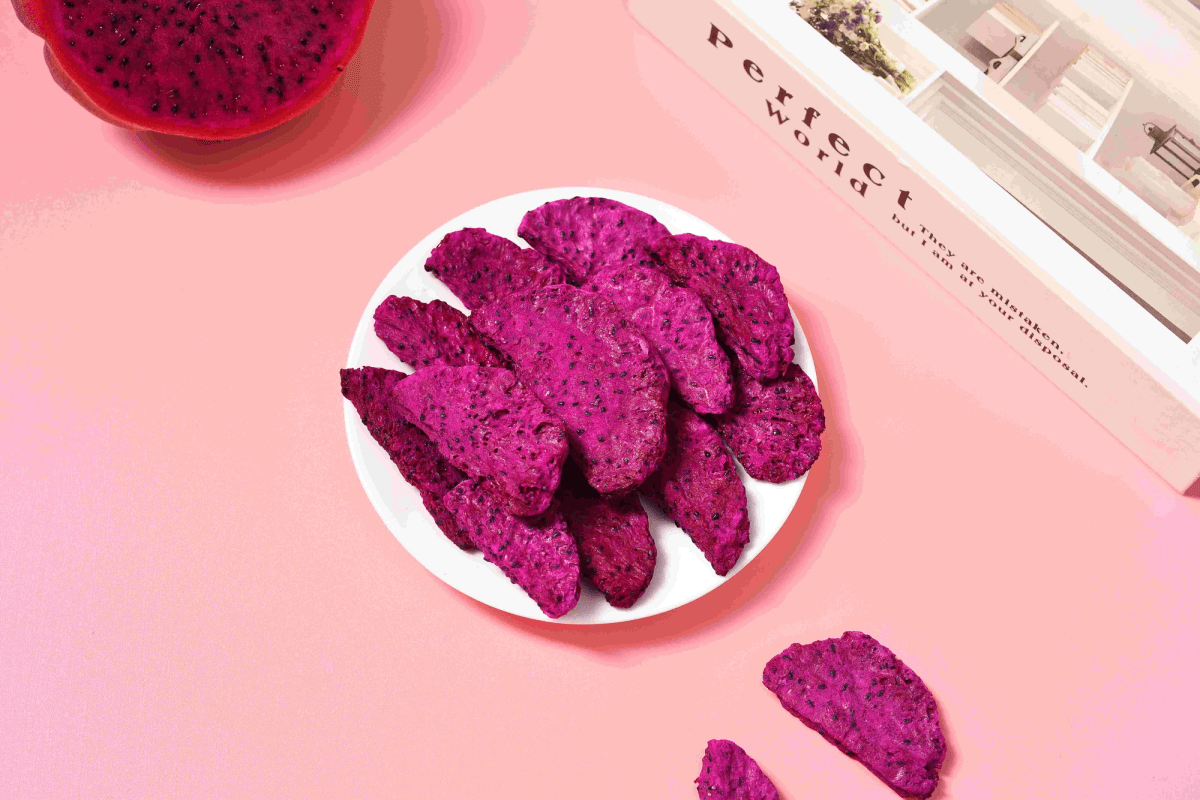
The Importance of Organization
Organization is key to maximizing the shelf life of your freeze dried fruit. When you have a well-organized storage system for your freeze dried strawberries, raspberries, and other fruits, it's easier to keep track of what you have on hand and how long it’s been stored. This not only helps prevent spoilage but also makes meal prep more efficient as you can quickly locate the freeze dried fruits you want to use.
Best Practices for Labeling
Labeling should include the name of the fruit (like freeze dried raspberries or dried strawberries) along with the date it was packaged or opened. Use waterproof markers or labels that won't fade over time; nobody wants a smudged label when searching for their favorite freeze dried fruit! Additionally, consider adding notes about how you plan to use each item—whether it's for snacking, baking, or mixing into smoothies—to make meal ideas pop into mind!
When to Rotate Your Stock
Rotating your stock is crucial in ensuring that older items are used first before they lose quality. A good rule of thumb is “first in, first out” (FIFO), which means using up your oldest freeze dry fruits before reaching for newer products. By keeping an eye on dates and regularly checking your supplies—especially those delectable freeze dried strawberries—you’ll ensure that none of your precious stash goes uneaten!
Shelf Life Expectations for Freeze Dried Fruits
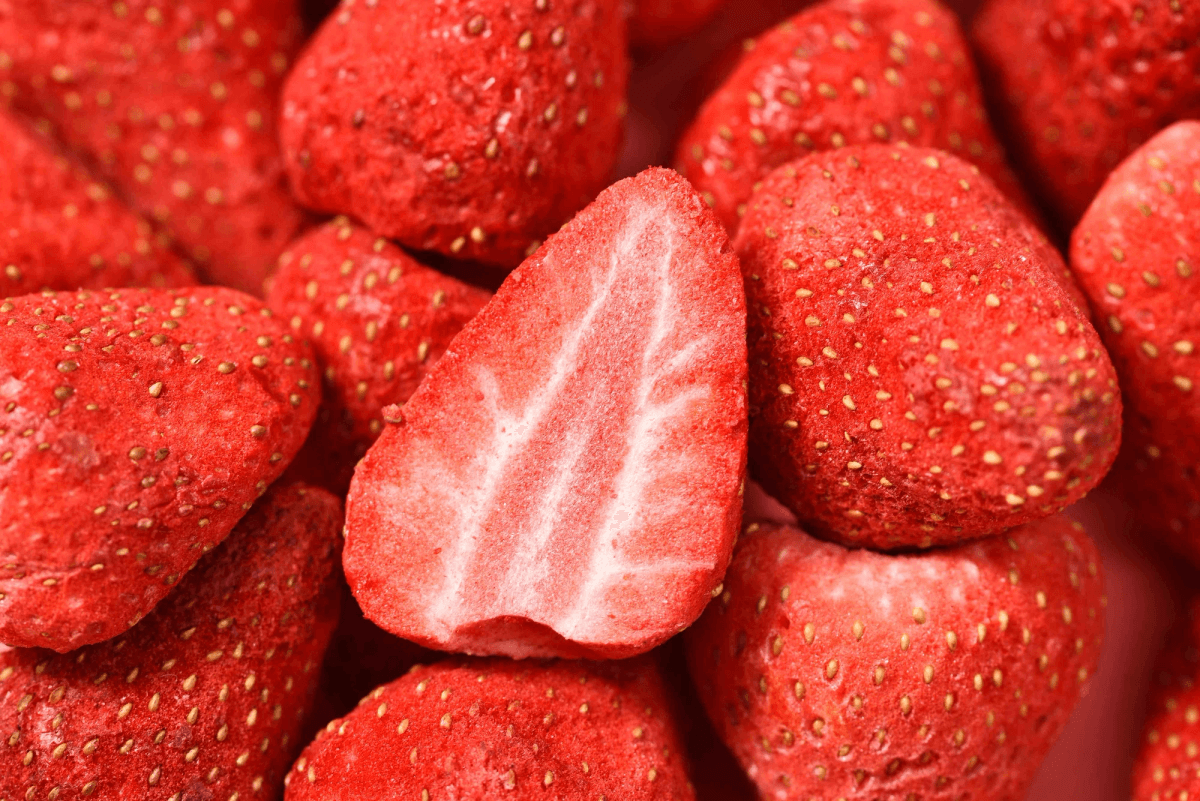
When it comes to freeze dry fruits, understanding their shelf life is crucial for maximizing enjoyment and minimizing waste. Freeze dried strawberries and other fruits can last significantly longer than their fresh counterparts, making them a popular choice for snacking and cooking alike. However, various factors can influence how long these tasty treats will maintain their quality.
Understanding Longevity of Freeze Dried Strawberries
Freeze dried strawberries typically boast an impressive shelf life of 25 to 30 years when stored properly. This longevity is due to the removal of moisture during the freeze drying process, which inhibits the growth of bacteria and mold that usually lead to spoilage in fresh fruit. When you choose freeze dried fruit strawberries, you’re not just getting a delicious snack; you're also investing in a long-lasting food source that can be enjoyed well into the future.
How to Extend Shelf Life
To extend the shelf life of your freeze dried fruit, including those delightful freeze dried raspberries, proper storage is key. Start by using airtight containers or vacuum sealing your fruits to minimize exposure to air and moisture. Additionally, keeping your freeze dried fruits in a cool, dark place away from direct sunlight will help preserve their flavor and texture over time.
Signs of Spoilage to Watch For
Even though freeze dried fruits have an extended shelf life, it's essential to be vigilant about signs of spoilage. If you notice any off smells or changes in color or texture—such as clumping or excessive crunchiness—these could indicate that your freeze dried strawberries or other fruits have gone bad. Always trust your senses: if something seems off with your dried fruit stash, it’s better to err on the side of caution.
Storing Freeze Dried Raspberries and Other Fruits

Different fruits can have varying moisture levels and sensitivities, which means you’ll want to tailor your storage methods accordingly. For instance, while freeze dried strawberries are quite resilient, freeze dried raspberries may require a bit more care to maintain their delightful flavor and texture.
Tailoring Storage for Different Fruits
Freeze dried strawberries tend to be more forgiving than their raspberry counterparts, which can be a bit more delicate in terms of flavor retention. To keep your freeze dried fruits at their best, consider using separate containers for different varieties; this way, you can monitor each type's specific needs without mixing them up.
For example, while both freeze dried strawberries and raspberries thrive in cool environments, the latter may benefit from an extra layer of protection against light exposure. Additionally, always ensure that the containers are airtight—this is crucial for all types of freeze dried fruit to prevent moisture absorption and preserve that crispy goodness we love so much.
Food Pairing Ideas for Dried Fruit
Dried fruit isn’t just a snack on its own; it’s also a fabulous addition to various dishes! Freeze dried strawberries make an excellent topping for yogurt or oatmeal, adding both flavor and nutrition without the added sugar found in many processed toppings. Meanwhile, freeze dried raspberries can elevate salads or smoothies with their vibrant color and tangy taste.
For something a little different, try mixing both types of freeze dry fruits into homemade trail mix or granola bars; they add a burst of flavor that will keep you coming back for more! And let’s not forget about baked goods—incorporating these fruity delights into muffins or pancakes can turn an ordinary breakfast into something extraordinary.
Recipes to Enjoy Freeze Dried Strawberries
If you're looking for delicious ways to use your stash of freeze dried strawberries, look no further! One easy recipe is strawberry-infused overnight oats: simply mix rolled oats with yogurt or milk and toss in some chopped freeze dried strawberries before letting them sit overnight in the fridge. The next morning you'll wake up to creamy oats bursting with berry flavor!
Another fun idea is making strawberry powder by blending your freeze dried strawberries until they reach a fine consistency; this powder can then be sprinkled on everything from pancakes to ice cream! For those who love baking, consider whipping up some strawberry muffins—just fold in chopped freeze dried strawberries into your batter before baking for an extra fruity twist.
Conclusion
In wrapping up our guide on how to store freeze dry fruits, it's clear that proper storage techniques can significantly enhance the longevity and quality of your dried fruit. Whether you're a fan of freeze dried strawberries or freeze dried raspberries, understanding the nuances of storage will ensure you enjoy these delightful snacks for longer. Remember, the right containers, temperature control, and light protection are your best friends in this endeavor.
Key Takeaways for Storing Dried Fruit
First and foremost, always opt for airtight containers when storing freeze dried fruit to prevent moisture intrusion. Glass and Mylar bags are excellent choices due to their ability to keep air out while preserving flavor and texture. Additionally, labeling your containers with dates will help you track freshness and ensure you consume your favorite freeze dried strawberries or raspberries at their peak quality.
Tips for Keeping Freeze Dried Fruits Fresh
To maintain the freshness of your freeze dried fruits, keep them in a cool, dark place with low humidity levels—ideally below 60°F (15°C) and 15% relative humidity. A hygrometer can be an invaluable tool in monitoring these conditions effectively. Lastly, consider vacuum sealing your freeze dried fruit; this not only extends shelf life but also locks in that delicious taste we all love.
Expert Recommendations from Huaping Jingnan Food Co.
For optimal results when storing your freeze dry fruits, Huaping Jingnan Food Co. recommends using high-quality Mylar bags combined with oxygen absorbers to create an airtight seal that keeps moisture at bay. They also suggest keeping an eye on signs of spoilage like off odors or changes in color—especially crucial for delicate items like freeze dried strawberries. Lastly, rotate your stock regularly; older products should be consumed first to maintain a fresh supply of delightful snacks.