
Introduction
In the realm of food preservation, two techniques often come into play: freeze drying and vacuum drying. While both methods aim to extend shelf life and maintain quality, they operate on different principles and yield varied results. Understanding the nuances of these processes is essential for food manufacturers aiming to choose the best technology for their products.
Overview of Freeze Drying Technology
Freeze drying, or lyophilization, is a sophisticated process designed to remove moisture from food while preserving its structure and nutritional value. The freeze drying process involves freezing the product at low temperatures followed by sublimation, where ice converts directly into vapor without passing through a liquid state. This innovative technique not only enhances the shelf life of fruits and vegetables but also retains flavor, color, and essential nutrients that might otherwise be lost in traditional drying methods.
What is Vacuum Drying?
Vacuum drying is another method used for moisture removal from food products but operates under different conditions compared to freeze drying. In this process, air pressure is reduced around the food, allowing moisture to evaporate at lower temperatures than normal atmospheric pressure would allow. While vacuum drying can effectively reduce water content in foods like meats and grains, it may not preserve texture or nutrients as well as its freeze-dried counterpart.
Key Differences Between Techniques
When comparing vacuum drying vs freeze drying, several key differences emerge that can significantly impact food quality and longevity. Freeze drying excels in maintaining flavors and nutrients due to its gentle process that avoids high heat exposure; meanwhile, vacuum drying may lead to some degradation of delicate compounds during evaporation. Understanding these distinctions helps manufacturers make informed decisions about which method best suits their needs in terms of product quality and market demand.
The Science Behind Freeze Drying
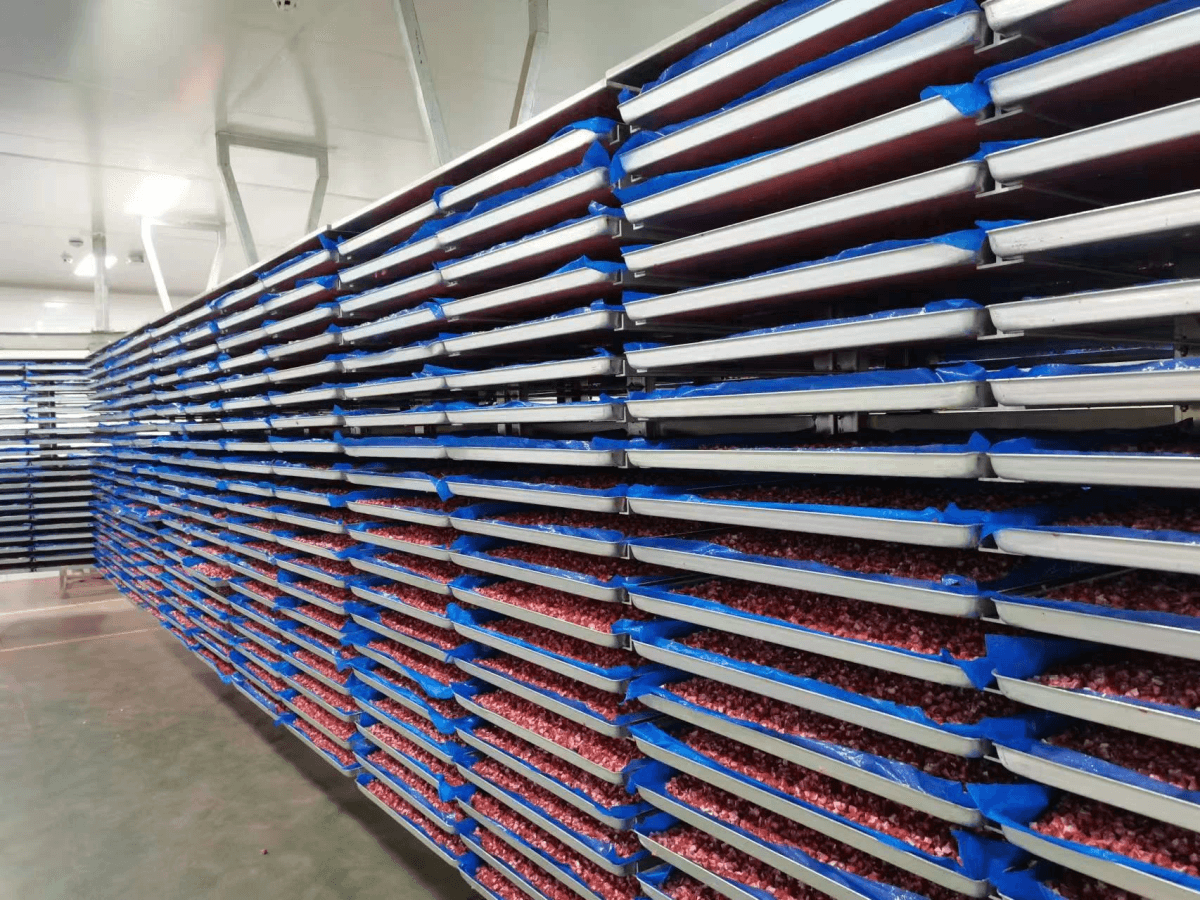
Understanding the Freeze Drying Process
The freeze drying process begins with freezing the product at very low temperatures, typically below -40 degrees Fahrenheit. Once frozen, the food undergoes sublimation, where ice transitions directly from solid to vapor without passing through a liquid phase. This unique method effectively preserves not only the food's shape but also its nutrients, making freeze drying a preferred choice in various applications.
Benefits of Sublimation in Food Preservation
Sublimation plays a pivotal role in freeze drying by allowing for gentle moisture removal without significant heat exposure. Unlike vacuum drying, which can alter flavors and textures due to higher temperatures, freeze drying retains the original characteristics of the food. As a result, products retain their vibrant colors and fresh tastes while enjoying an extended shelf life.
Common Applications in Food Industry
Freeze drying finds its niche across numerous sectors within the food industry—from backpacking meals to instant coffee production. It’s particularly favored for fruits and vegetables because it maintains their nutritional content better than vacuum drying methods can achieve. Moreover, companies like Huaping Jingnan Food Co. leverage advanced freeze drying systems to deliver high-quality products that cater to health-conscious consumers seeking convenience without sacrificing flavor.
Nutritional Retention Comparison

How Freeze Drying Preserves Nutrients
The freeze drying process involves freezing food and then placing it under a vacuum to allow sublimation—the transition of water from solid to gas without passing through a liquid phase. This method helps retain nutrients because the low temperatures prevent enzymatic reactions that can degrade vitamins and minerals. Additionally, since the food is frozen before dehydration, cellular structures remain intact, allowing for better preservation of flavor and nutrition compared to other methods like vacuum drying.
In contrast, during vacuum drying, heat is applied along with reduced pressure to evaporate moisture. This process can lead to nutrient loss due to increased temperatures that may destroy sensitive compounds such as vitamins A and C. Therefore, if you're considering how to best preserve nutrients in your food products, freeze drying stands out as a superior choice.
The Impact of Vacuum Drying on Nutrients
Vacuum drying may sound like an efficient way to dehydrate foods quickly; however, it does come with its drawbacks regarding nutrient retention. While this technique does reduce moisture content effectively, the heat involved can cause significant degradation of essential nutrients over time. For instance, studies have shown that vitamin C levels can drop considerably when using vacuum drying compared to freeze dried products.
Furthermore, certain phytonutrients—beneficial compounds found in fruits and vegetables—are also sensitive to heat exposure during the vacuum drying process. This means that while you might achieve a shelf-stable product with vacuum drying, you could be sacrificing valuable health benefits in the process. Thus, for those prioritizing nutritional quality alongside preservation techniques like freeze drying how-to guides often highlight this method's advantages over its counterparts.
Results from Research Studies
Research studies consistently emphasize the stark contrast between vacuum drying vs freeze drying when it comes to nutrient retention in various foods. One notable study demonstrated that freeze dried fruits retained up to 90% of their original vitamin content after processing—an impressive feat for any preservation method! In comparison, fruits subjected to vacuum drying showed only about 60% retention of these vital nutrients.
Moreover, additional research has pointed out that not only are vitamins affected but also minerals such as potassium and magnesium tend to remain more stable through the freeze-drying system than through other dehydration methods like vacuuming. These findings underscore why many manufacturers are increasingly opting for processes involving freeze-dried fruit instead of relying solely on traditional techniques like vacuuming; it's simply better for retaining nutritional value long-term.
Texture and Flavor Outcomes
The freeze drying process, which involves removing moisture from food while keeping its structure intact, results in products that maintain their original shape and texture. In contrast, vacuum drying can lead to a more significant alteration in texture, sometimes resulting in a less appealing final product.
Freeze Drying and Food Quality
The quality of food preserved through freeze drying is remarkable. This technique locks in flavors and nutrients while preventing the formation of ice crystals that can damage cell walls; hence, fruits retain their vibrant colors and crunchy textures. For instance, when looking into the process of freeze drying fruit, you’ll find that strawberries maintain their sweet flavor profile much better than those subjected to other methods like vacuum drying.
Vacuum Drying Effects on Texture
While vacuum drying is effective for removing moisture from foods, it often compromises texture significantly compared to freeze drying. The heat used in vacuum drying can cause proteins to denature, leading to a chewy or rubbery consistency that many consumers find unappealing. This difference highlights why those who prioritize quality often lean towards freeze drying over its counterpart when considering the ultimate outcome for their products.
Consumer Preferences and Taste Tests
Research shows that people generally prefer the taste and texture of freeze-dried foods over those processed through vacuum methods due to their superior flavor retention and mouthfeel. Taste tests consistently reveal that items like freeze-dried fruits are not only flavorful but also visually appealing—a crucial factor for consumers looking for high-quality snacks.
Shelf Life and Storage Benefits

The freeze drying process removes moisture from food while maintaining its structure and nutrients, resulting in an extended shelf life that can last years when stored properly. In contrast, vacuum drying can reduce moisture content but often leaves foods with a shorter lifespan due to residual moisture or degradation over time.
Extended Shelf Life with Freeze Drying
One of the standout advantages of freeze drying is its ability to extend the shelf life of various food products significantly. By removing water through sublimation—where ice converts directly to vapor without becoming liquid—freeze dried foods can remain stable for 25 years or more when vacuum-sealed in airtight packaging. This long-lasting preservation makes freeze drying an attractive option for both consumers and manufacturers looking to minimize waste and maximize efficiency.
Vacuum Drying and Its Limitations
While vacuum drying offers some benefits, it falls short compared to freeze drying in terms of shelf life longevity. The vacuum drying process often leaves a small amount of moisture in the final product, which can lead to spoilage if not consumed quickly. Moreover, certain foods may experience textural changes that further limit their storage potential, making them less appealing over time compared to their freeze dried counterparts.
Economic Impact on Long-Term Storage
The economic implications of choosing between vacuum drying vs freeze drying are significant for manufacturers focused on long-term storage solutions. With extended shelf lives offered by freeze dried products, companies can save on transportation costs and reduce inventory turnover rates while still providing high-quality items to consumers. Additionally, investing in a reliable freeze drying system may have higher upfront costs but generally leads to better returns due to lower spoilage rates and increased consumer demand for quality preserved foods.
Cost Analysis: Freeze Drying vs Vacuum Drying
Both methods have their own unique costs associated with them, from initial investments to ongoing operational expenses. Understanding these costs is crucial for food manufacturers looking to optimize their production processes and ensure long-term profitability.
Initial Investment in Freeze Drying Systems
The initial investment in a freeze drying system can be quite substantial compared to vacuum drying equipment. A typical freeze drying system requires specialized machinery that includes refrigeration units, vacuum pumps, and control systems designed for the freeze drying process. While this upfront cost may seem daunting, it's essential to consider the long-term benefits of quality preservation and extended shelf life that freeze drying offers.
In contrast, vacuum drying systems tend to have lower initial costs due to simpler machinery requirements. However, manufacturers must weigh these savings against the potential loss of product quality and nutritional value associated with vacuum drying techniques. Ultimately, investing in a reliable freeze drying system may yield better returns over time by producing higher-quality products that command premium prices in the market.
Operational Costs of Vacuum Drying
Operational costs play a critical role in determining the overall financial efficiency of both methods. Vacuum drying typically incurs lower energy costs since it operates at higher temperatures than freeze drying; however, this can lead to increased energy consumption over time due to longer processing times needed for certain products. Additionally, vacuum dryers may require more frequent maintenance as they handle moisture differently than freeze dryers.
On the other hand, while operational costs for freeze dryers might be higher due to energy-intensive freezing and sublimation processes, they often result in less waste and spoilage during storage thanks to superior preservation capabilities. The process of freeze drying fruit or other delicate items ensures that they retain their structure and nutrients better than those subjected to vacuum methods. Thus, even if operating expenses are steeper initially for freeze dryers, they could ultimately save money through reduced waste.
Return on Investment for Food Manufacturers
For food manufacturers contemplating vacuum drying vs freeze drying methods, return on investment (ROI) is a key metric worth analyzing closely. Although the initial capital outlay for a high-quality freeze dryer is significant, its ability to produce superior products often translates into higher profit margins over time—especially as consumer demand grows for nutritious options with extended shelf lives.
Moreover, given that consumers are increasingly willing to pay more for high-quality preserved foods that retain flavor and nutrients—benefits inherent in the freeze-drying process—manufacturers can expect a quicker ROI when opting for this method over traditional vacuum techniques. As businesses continue adapting their strategies based on market trends toward health-consciousness and sustainability practices, choosing an efficient method like freeze-drying could position them favorably within competitive landscapes.
Conclusion
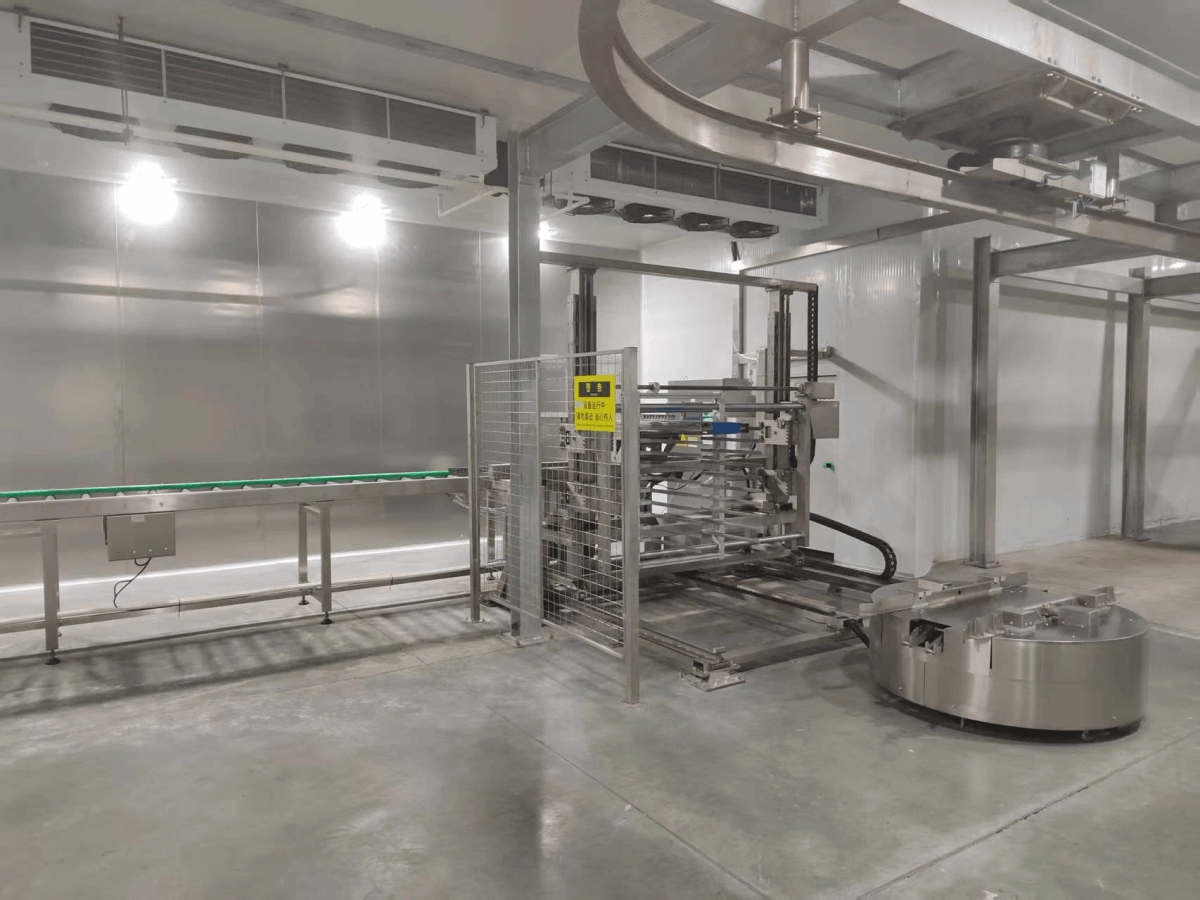
In the ever-evolving world of food processing, choosing the right method can make all the difference. When considering vacuum drying vs freeze drying, it’s clear that freeze drying offers unique advantages, especially in preserving nutrients and enhancing food quality. The freeze drying process not only ensures extended shelf life but also maintains the flavor and texture that consumers crave.
Why Choose Freeze Drying for Food Processing
Freeze drying stands out as a superior method for food preservation due to its ability to retain nutrients effectively. Unlike vacuum drying, which can compromise some essential vitamins and minerals during its process, freeze drying locks in flavors and nutritional value while removing moisture through sublimation. This makes it an ideal choice for manufacturers looking to provide high-quality products that meet consumer demands for healthy options.
Moreover, the process of freeze drying fruit demonstrates how this technique can enhance both taste and longevity without sacrificing quality. By using a specialized freeze drying system, companies can ensure their products remain fresh and appealing long after processing. Ultimately, choosing freeze drying means opting for excellence in food processing.
The Future of Freeze Drying Technology
The future of freeze drying technology is bright as advancements continue to emerge in efficiency and effectiveness. Innovations in equipment design are making the freeze drying process faster while reducing energy consumption—a win-win for both manufacturers and consumers alike. As more industries recognize the benefits of this method over vacuum drying, we can expect a surge in demand for high-quality freeze-dried products across various markets.
Additionally, research into new applications is expanding beyond traditional food items; even pharmaceuticals are beginning to embrace this technology due to its preservation capabilities. With ongoing developments aimed at improving the user experience—such as automated systems—the potential for growth within this sector appears limitless.
Huaping Jingnan Food Co. and Quality Freeze-Dried Products
At Huaping Jingnan Food Co., quality is paramount when it comes to producing top-notch freeze-dried products that cater to health-conscious consumers worldwide. Our commitment to utilizing advanced freeze drying systems ensures that every item retains its natural goodness while providing convenience and taste—perfect for busy lifestyles or outdoor adventures!
With a focus on transparency and sustainability, we pride ourselves on delivering exceptional products that stand out in comparison with those processed through methods like vacuum drying. By choosing Huaping Jingnan's offerings, you’re not just selecting food; you’re embracing a lifestyle choice dedicated to nutrition without compromise.