
Introduction
In the world of healthy snacking, freeze dried and dehydrated fruit have carved out their own niches, each boasting unique benefits and flavors. Understanding the nuances between these two preservation methods is essential for consumers looking to make informed choices about their snacks. As we delve into the differences between freeze dried vs dehydrated fruit, we will uncover how these processes impact nutritional profiles and consumer preferences.
Understanding Freeze Dried and Dehydrated Fruit
Freeze drying involves a meticulous process that removes moisture from fruit while preserving its structure and nutrients, resulting in products like freeze dry raspberries that retain much of their original flavor and color. On the other hand, dehydration employs heat to eliminate moisture, which can alter the texture and taste of fruits like frozen dried strawberries. While both methods aim to extend shelf life and enhance convenience, they do so through fundamentally different techniques—namely, the difference between freeze dryer and dehydrator.
Nutritional Profiles Explored
When examining the nutritional profiles of freeze dried vs dehydrated fruit, it's clear that each method has its strengths. Freeze dried fruits often maintain a higher level of vitamins due to their gentle processing method, making them an excellent choice for health-conscious individuals. Conversely, while dehydrated fruits may lose some nutrients during processing, they still offer a deliciously chewy texture that many consumers enjoy.
Consumer Preferences and Choices
Consumer preferences in the realm of snack foods are increasingly leaning towards healthier options like freeze dried or dehydrated fruits as people become more health-conscious. Many shoppers are drawn to the vibrant colors and convenient packaging of products such as freeze dry food or frozen dried strawberries found on supermarket shelves today. Ultimately, understanding these choices helps consumers navigate their snacking habits while considering both nutrition and taste.
The Science Behind Freeze Drying

Unlike simply removing moisture through heat, freeze drying involves freezing the fruit first and then applying a vacuum to remove ice directly from solid to gas, a process known as sublimation. This unique approach not only enhances the shelf life of fruits but also retains much of their original flavor and nutritional value, making it an excellent choice for those looking to enjoy fruits like raspberries and strawberries year-round.
Process of Freeze Drying
The process of freeze drying begins with fresh fruit being washed and sliced into uniform pieces for even treatment. After freezing the fruit at extremely low temperatures, typically around -40°F (-40°C), the vacuum is applied to create an environment where ice can convert directly into vapor without passing through a liquid phase. This method effectively removes about 98% of moisture while preserving the cellular structure of the fruit, which is crucial for maintaining its taste and nutritional profile—a key factor when comparing freeze dried vs dehydrated fruit.
Nutrient Preservation in Freeze Dried Fruit
One of the standout benefits of freeze dried fruit is its impressive nutrient preservation capabilities. Research shows that this method retains most vitamins—especially sensitive ones like vitamin C—better than traditional dehydration techniques. When you bite into freeze dry raspberries or frozen dried strawberries, you're not just enjoying their delightful crunch; you're also indulging in a snack that boasts nearly all its original nutrients intact, making it an appealing choice for health-conscious consumers.
Examples: Freeze Dry Raspberries and Strawberries
Let's take a closer look at two popular examples: freeze dry raspberries and frozen dried strawberries. These fruits undergo the meticulous freeze drying process that ensures they maintain their vibrant colors and robust flavors while offering convenience for snacking or culinary use. Whether sprinkled on yogurt or blended into smoothies, these delicious options provide all the fruity goodness without compromising on nutrition—a significant advantage when discussing the difference between freeze dryer and dehydrator methods.
Exploring Dehydration Techniques
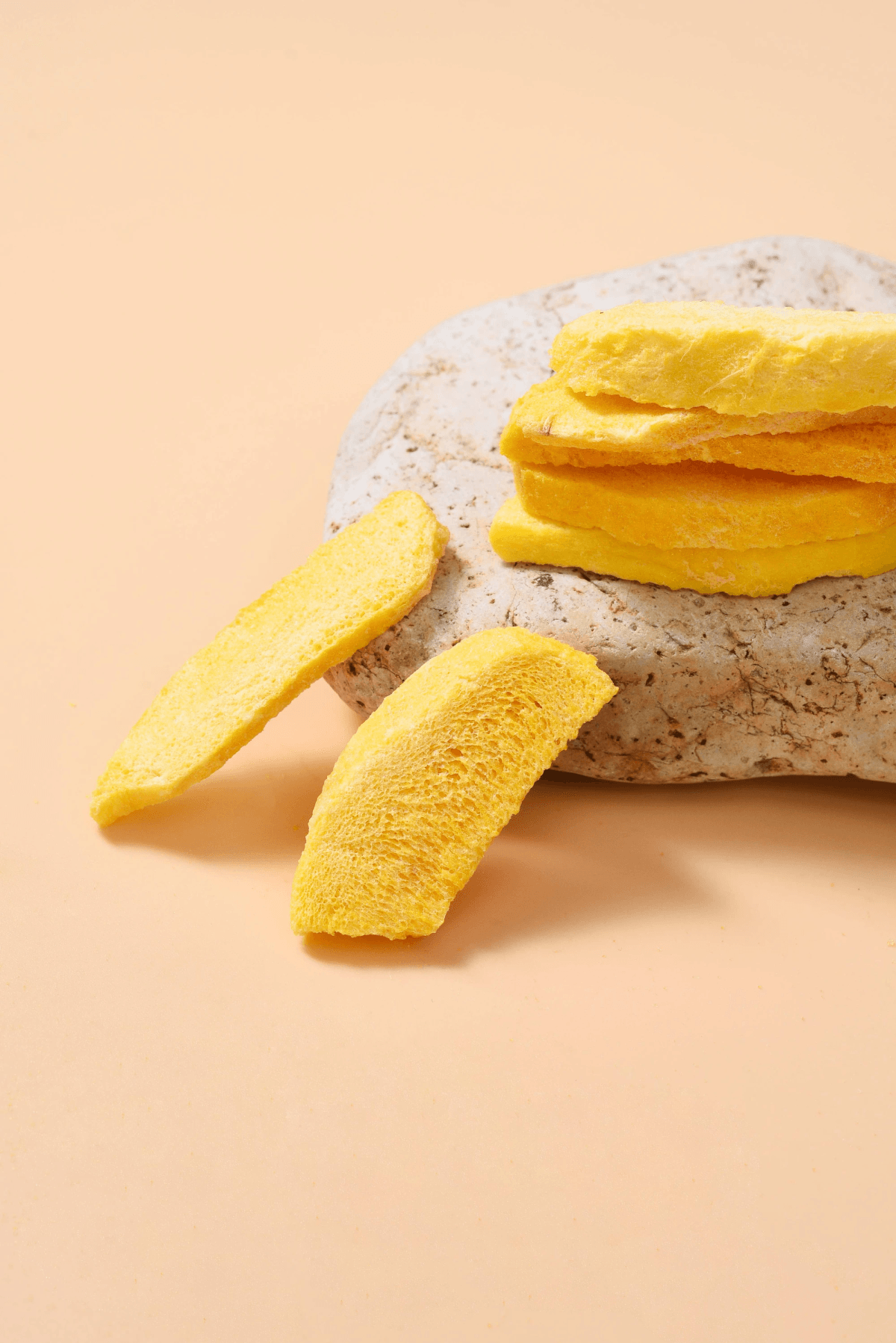
Dehydration is a time-honored method of preserving fruit that involves removing moisture to extend shelf life while retaining flavor and nutrients. Unlike freeze drying, which uses a complex process involving freezing and vacuuming, dehydration simply utilizes heat and airflow to evaporate water content. This technique is popular for making snacks like dried apples, apricots, and even bananas, offering a chewy texture that many find appealing.
How Dehydrating Works
The dehydration process typically begins with washing and slicing the fruit into uniform pieces to ensure even drying. The prepared fruit is then subjected to controlled heat in a dehydrator or an oven set at low temperatures. As the moisture evaporates, the fruit shrinks in size while concentrating its natural sugars and flavors—resulting in delicious dehydrated treats that pack a punch.
Nutrient Retention in Dehydrated Fruit
When considering freeze dried vs dehydrated fruit, one must examine nutrient retention closely. While some vitamins may diminish during dehydration due to exposure to heat, many minerals remain intact. For instance, potassium levels can stay relatively stable in dehydrated fruits like bananas or apples despite some loss of vitamin C compared to their fresh counterparts.
Comparison with Freeze Drying
The difference between freeze dryer and dehydrator boils down primarily to moisture removal techniques and their effects on nutritional quality. Freeze drying retains more vitamins because it removes water at low temperatures without cooking the food—ideal for those seeking maximum nutrient preservation like when enjoying freeze dry raspberries or frozen dried strawberries. On the other hand, dehydrating can be more efficient for bulk processing but may compromise some nutritional elements along the way.
Nutritional Differences: Freeze Dried vs Dehydrated
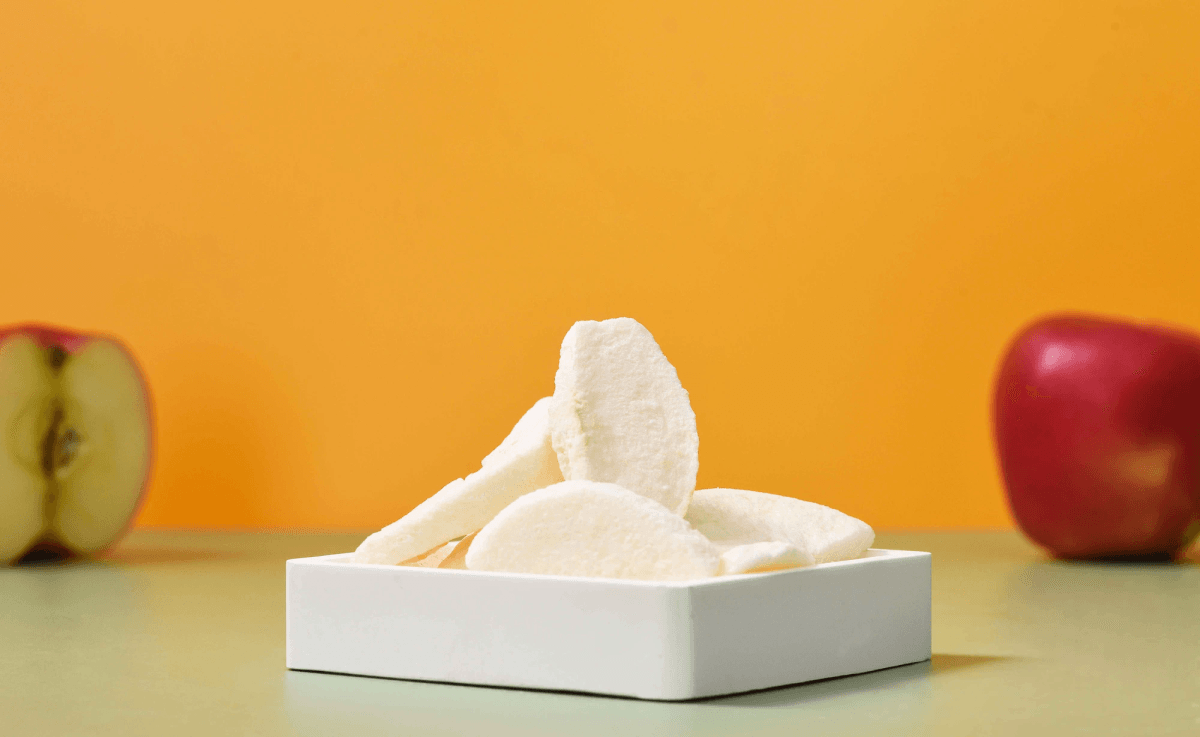
Both methods aim to preserve the goodness of fruit, but they do so in quite different ways, leading to variations in their vitamin and mineral content. As we dig deeper into these processes, we’ll uncover how freeze dry food stacks up against traditional dehydration techniques.
Vitamins and Minerals Content
The vitamins and minerals content in freeze dried vs dehydrated fruit can vary significantly due to the methods used in preservation. Freeze drying typically retains a higher percentage of nutrients compared to dehydration because it removes moisture at lower temperatures, which helps maintain sensitive vitamins like Vitamin C and some B vitamins. For instance, freeze dry raspberries retain their vibrant color and nutrient profile better than their dehydrated counterparts, making them a more appealing choice for health-conscious consumers.
On the other hand, while dehydrated fruits still offer nutritional benefits, they may lose some essential nutrients during the heating process involved in dehydration. This can result in lower levels of certain vitamins and minerals compared to freeze dried options. Therefore, if you're hunting for maximum nutrient retention, you might want to lean towards freeze dried fruits like frozen dried strawberries.
Shelf Life and Storage Benefits
Shelf life is another critical factor when comparing freeze dried vs dehydrated fruit. Freeze dried foods generally have an impressively long shelf life—often exceeding 25 years—thanks to their low moisture content that inhibits bacterial growth and spoilage. This makes them ideal for long-term storage or emergency preparedness kits where you want reliable nutrition without worrying about expiration dates.
Dehydrated fruits also boast a decent shelf life but usually fall short compared to their freeze-dried counterparts; they typically last around one year when stored properly. However, both types can be conveniently stored without refrigeration as long as they're kept in airtight containers away from light and moisture. Ultimately, if longevity is your primary concern when choosing between these two methods of preservation, you might find yourself swayed toward the benefits of freeze dry food.
Taste and Texture Variations
Taste and texture are often where personal preferences come into play when deciding between freeze dried vs dehydrated fruit. Freeze drying preserves not just nutrients but also enhances flavor intensity; this results in fruits that taste fresher with a delightful crunch—perfect for snacking or adding to recipes without compromising on taste! Imagine tossing some crunchy frozen dried strawberries into your morning yogurt or smoothie for an explosion of flavor!
Conversely, dehydrated fruits tend to have a chewier texture that can sometimes be likened to candy—sweet but less vibrant than their freeze-dried siblings due to the heat exposure during processing. While both types have unique culinary applications depending on desired outcomes (think granola versus trail mix), consumers often find that the lightness of freeze-dried options offers versatility across various dishes without overpowering other flavors.
Popular Products on the Market
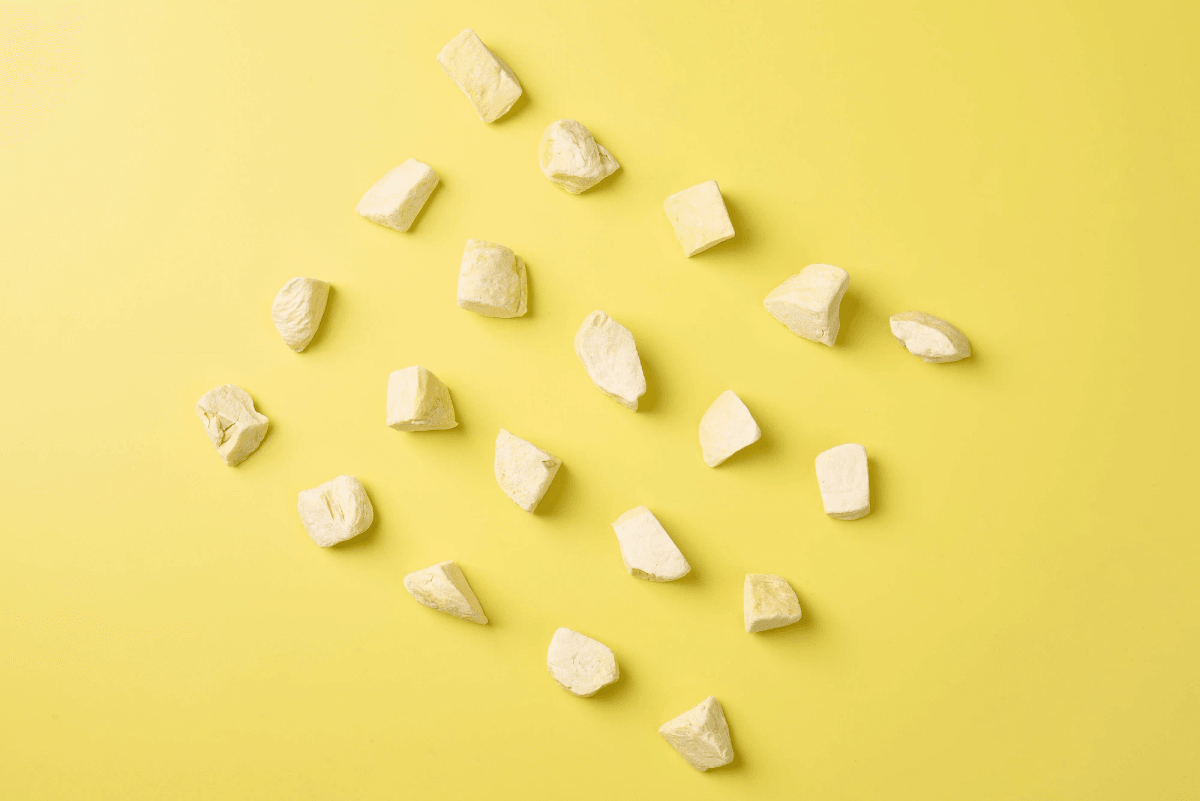
Consumers today are more health-conscious and adventurous with their snacking choices, leading to a surge in popularity for these products. Let's dive into some notable offerings that highlight the differences between freeze dried vs dehydrated fruit.
Huaping Jingnan Food Co.'s Freeze Dried Offerings
Huaping Jingnan Food Co. has made a name for itself with its impressive range of freeze dried products, showcasing everything from freeze dry raspberries to frozen dried strawberries. Their commitment to quality ensures that each piece retains its vibrant color and flavor while packing a powerful nutritional punch. With options like freeze dried mixed berries and single-fruit snacks, they cater to a variety of palates, making healthy snacking both convenient and delicious.
What sets Huaping Jingnan apart is their innovative approach to packaging, which preserves freshness and extends shelf life—an essential factor when comparing the difference between freeze dryer and dehydrator methods. Customers appreciate that they can enjoy their favorite fruits year-round without sacrificing taste or nutrition. As the trend towards healthier eating continues, expect this brand to remain at the forefront of the freeze dry food market.
Notable Brands for Dehydrated Fruit
On the other side of the spectrum are several well-known brands specializing in dehydrated fruit products that capture nature's sweetness without any added sugars or preservatives. Brands like Simply Fruit and Natierra offer an array of options ranging from apple slices to banana chips, appealing to those who prefer traditional dehydration techniques over freeze drying methods. These companies focus on providing consumers with wholesome snacks that maintain a chewy texture while delivering essential nutrients.
Dehydrated fruits can be an excellent addition for those looking for versatility in their diets—perfect for baking or as toppings on cereals and salads! Moreover, many consumers find them budget-friendly compared to their freeze-dried counterparts, making them an attractive choice for families seeking nutritious snack alternatives without breaking the bank. The ongoing debate about freeze dried vs dehydrated fruit often boils down to personal preferences in taste and texture.
Consumer Reviews and Trends
Consumer reviews play a pivotal role in shaping trends within this market segment; after all, who better than fellow snackers can provide insights into what works? Many reviews highlight how frozen dried strawberries have become a popular topping for smoothies and yogurt bowls due to their intense flavor profile compared to traditional dehydrated fruits. Shoppers often rave about how much easier it is to incorporate these nutrient-rich snacks into everyday meals while maintaining balanced diets.
Interestingly, social media platforms are buzzing with creative recipe ideas featuring both types of preserved fruits—showcasing how versatile they can be beyond just snacking! From homemade trail mixes using both varieties (to get that delightful contrast) to gourmet desserts topped with vibrant freeze-dried pieces, consumers are embracing innovation in culinary uses as well as nutritional benefits. As more people become aware of these preservation techniques' advantages—especially regarding nutrient retention—the future looks bright for both frozen dried strawberries and other preserved fruits alike!
Culinary Uses and Recipes
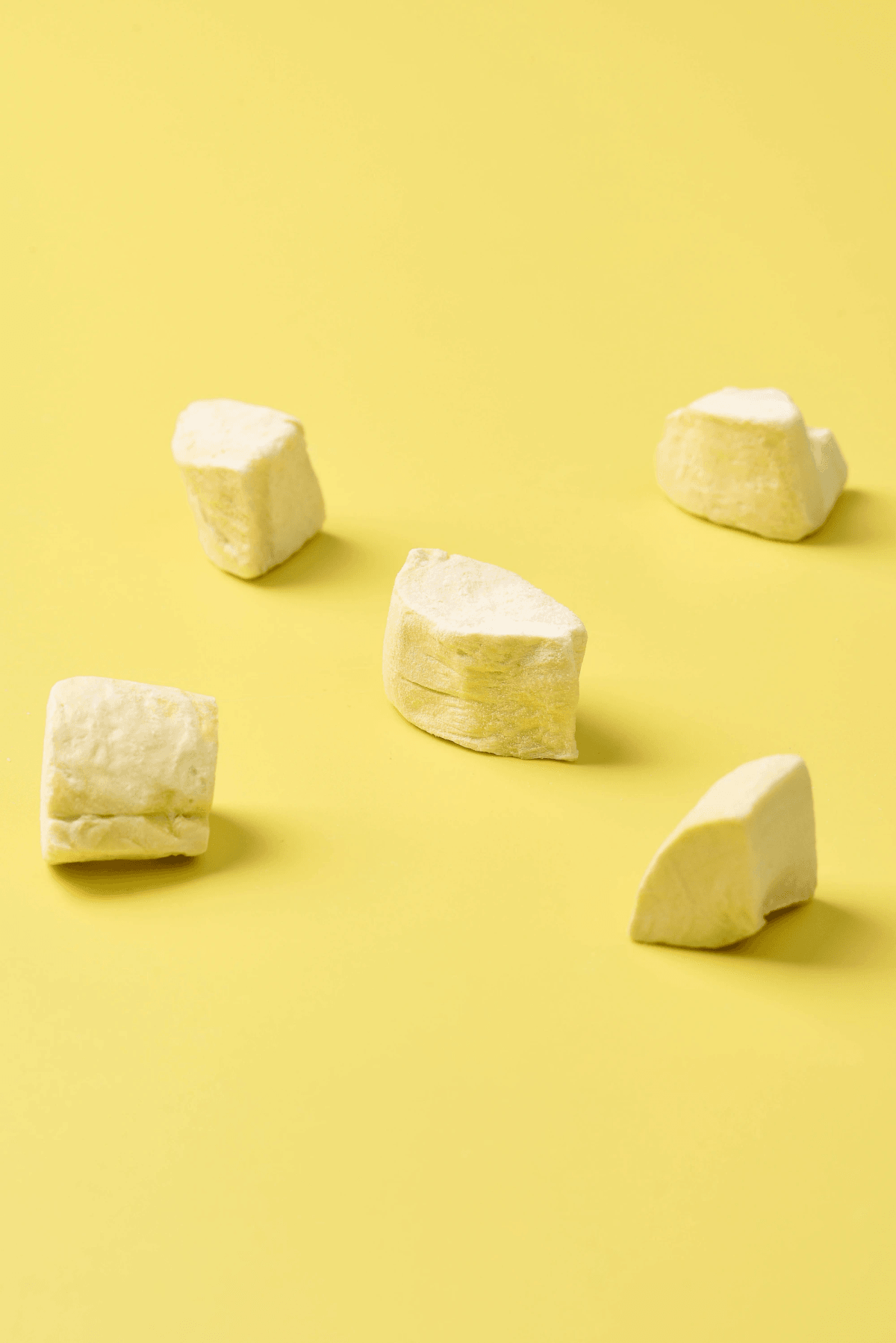
Whether you're looking to add a burst of flavor to your breakfast or elevate your snacks, these fruits can be versatile additions. For instance, sprinkle some freeze dried raspberries over yogurt or oatmeal for a delightful crunch and a pop of color that also packs a nutritional punch.
Incorporating Freeze Dried Fruit into Meals
Freeze dried fruit can easily enhance both sweet and savory dishes. Imagine tossing some freeze dried strawberries into a salad for an unexpected twist; their sweetness contrasts beautifully with tangy vinaigrettes. Additionally, you can rehydrate freeze dried fruits in warm water or juice before adding them to baked goods like muffins or pancakes, giving them a moist texture while retaining their vibrant flavor.
On the other hand, dehydrated fruit also has its place in the culinary world. Use dehydrated apples as a natural sweetener in granola bars or trail mixes; they provide chewiness without overwhelming sugar content. The difference between freeze dryer and dehydrator methods means that each type of fruit offers different textures and flavors, allowing chefs to choose based on their culinary goals.
Creative Uses for Dehydrated Snacks
Dehydrated snacks are perfect for those on-the-go moments when you need something quick yet nutritious. Think about blending dehydrated bananas into smoothies for added creaminess without the extra moisture that fresh bananas would bring along—perfect for achieving that ideal smoothie consistency! You could also grind up dehydrated mango slices to create a unique dusting powder for desserts or even savory dishes.
Another fun idea is using dehydrated fruits as toppings on homemade pizzas; yes, you heard that right! The sweetness of dehydrated figs pairs well with cheese and prosciutto, creating an unexpected gourmet experience at home. With such versatility in both freeze dried vs dehydrated fruit options, it's easy to see how these snacks can elevate everyday meals.
Recipe Ideas Featuring Frozen Dried Strawberries
Let’s dive into some delicious recipes featuring frozen dried strawberries! One simple yet delightful option is making strawberry-infused overnight oats: mix rolled oats with milk (or your favorite dairy alternative), add in crushed frozen dried strawberries, honey, and let it sit overnight in the fridge—wake up to a flavorful breakfast that's ready to go!
For dessert lovers out there, try whipping up strawberry shortcake using whipped cream layered with crushed frozen dried strawberries between sponge cake layers; it’s an elegant treat that's surprisingly easy to prepare! Another creative idea is incorporating them into homemade energy bites: combine oats, nut butter, honey, and chopped frozen dried strawberries rolled into bite-sized balls—perfect for pre-workout fuel!
Conclusion
In the delightful world of fruit preservation, understanding the nuances between freeze dried and dehydrated fruit is essential for making informed dietary choices. Both methods offer unique benefits and can enhance our meals, but they differ significantly in terms of nutritional impact, taste, and texture. As we wrap up this exploration, let’s dive into some key takeaways that will help you navigate the aisles of your local grocery store with confidence.
Key Takeaways on Nutritional Impact
When comparing freeze dried vs dehydrated fruit, one of the most striking differences lies in nutrient retention. Freeze drying tends to preserve vitamins and minerals more effectively than dehydration due to its gentle processing method, which involves removing moisture at low temperatures without damaging delicate nutrients. For instance, freeze dry raspberries often retain their vibrant color and flavor while packing a powerful punch of antioxidants that might be diminished in their dehydrated counterparts.
Dehydrated fruits do offer some nutritional value but may lack certain vitamins after the heating process used during dehydration. This means that while both options can be tasty snacks or meal enhancers, choosing freeze dried options like frozen dried strawberries might give you a better health boost overall. Remember that while both techniques have their merits, understanding these differences can guide you toward smarter snacking decisions.
Making Informed Choices for Health
As consumers become increasingly health-conscious, knowing the difference between freeze dryer and dehydrator processes can empower us to make better food choices. When shopping for snacks or ingredients, consider how each preservation method affects not just flavor but also your nutritional intake. Opting for products like freeze dried fruits can be an excellent way to enjoy convenient snacks without sacrificing essential nutrients.
Additionally, it’s important to read labels carefully; some products may contain added sugars or preservatives that could diminish their health benefits. By prioritizing whole foods with minimal processing—like those delicious freeze dry raspberries—you'll not only enjoy great taste but also support your overall well-being. Ultimately, being informed about these distinctions allows you to align your food choices with your health goals.
The Future of Fruit Preservation Techniques
Looking ahead, advancements in technology are likely to continue evolving how we preserve our favorite fruits while maximizing their nutritional value. Innovations in freeze drying may lead to even more efficient processes that enhance flavor retention and shelf life—making it easier than ever to incorporate healthy snacks into our diets without compromising quality or taste. Similarly, as dehydration techniques improve, we might see new ways to create delectable dehydrated fruit snacks that rival their freeze-dried friends.
The future also holds exciting potential for combining these methods; imagine hybrid products that harness the best aspects of both techniques! As consumer preferences shift towards healthier options and sustainable practices gain traction within the food industry, staying aware of these trends will help us make choices aligned with our values and lifestyles—whether it's enjoying frozen dried strawberries on a morning smoothie bowl or snacking on nutritious freeze dried fruit during outdoor adventures.