
Buying freeze dried food in bulk should not begin with a price request alone. Bulk orders affect packaging, labels, storage, freight, product development, and customer experience. A snack brand buying freeze-dried mango pieces has different needs from a food manufacturer buying vegetable powder or a camping brand buying ingredients for meal pouches. The best buying process starts with the product goal and moves toward supplier confirmation step by step.
Freeze-dried food can include fruits, berries, vegetables, mushrooms, coffee, candy, and other products. Because the category is broad, buyers need a workflow that narrows choices quickly without missing quality details.
Step 1: Define The Use Case
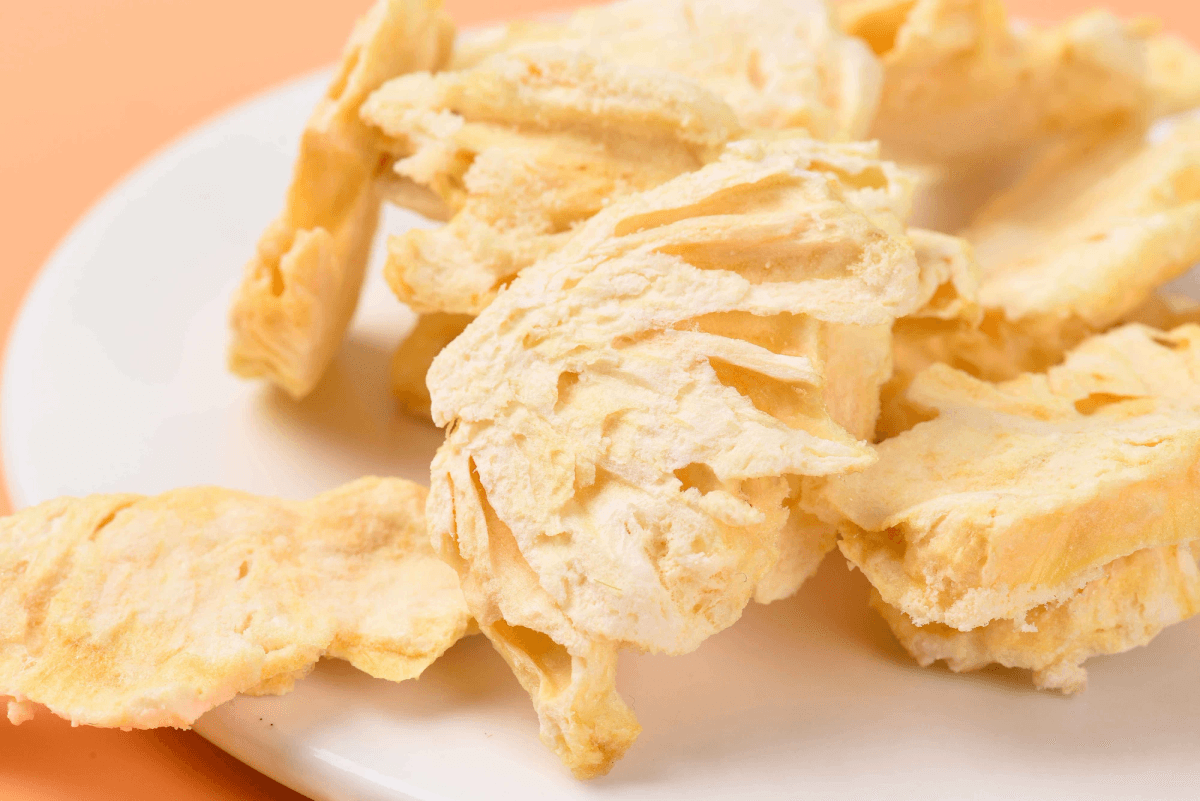
Huaping Jingnan's all-products page shows how broad freeze-dried food sourcing can become. A buyer may need fruit pieces for cereal, powder for beverages, mushrooms for savory products, vegetables for meal kits, coffee for instant drinks, or candy for snacks. Each use case changes the required format and packaging.
A clear use case should answer several questions: Is the product eaten directly or used as an ingredient? Will it be rehydrated? Is it packed in retail pouches or manufacturing cartons? Does the buyer need organic, private-label, or claim-based positioning? Is visual appearance more important than powder performance? These answers shape the whole buying process.
Step 2: Request Samples With Documents
Samples should arrive with enough information to evaluate them properly. Ask for product specification, ingredient statement, packaging details, and certificate or claim support where relevant. If the product is organic, sugar-related, additive-related, or intended for a specific import market, verify documents before approving packaging artwork.
Richfield Food and Fierce Fruit are useful market references because they show how freeze-dried and fruit ingredients are often organized by product type and application. Buyers can use that market language to make sample requests more precise: not just "send fruit," but "send diced strawberry for cereal inclusion" or "send pineapple powder for a drink mix."
Step 3: Build A Written Approval Standard
Before ordering in bulk, turn sample feedback into a written approval standard. The standard does not need to be complicated, but it should be clear. Include product name, format, target size, acceptable color range, dust limit where relevant, packaging type, document requirements, and the final application. If the buyer has an approved sample, label and retain it for comparison with future shipments.
This step helps prevent a common bulk buying problem: everyone liked the sample, but nobody defined what made it acceptable. When the commercial batch arrives, the buyer and supplier may disagree about whether the product matches. A written approval standard gives both sides a fair reference and reduces emotional or subjective quality arguments.
For private-label projects, the approval standard should also include packaging artwork status, pouch size, carton configuration, and any claim language that needs support. Product and packaging should be approved together, because a good ingredient can still create problems if the package does not protect it.
Keep this approval standard with the purchase file. When the next order is placed months later, the team can return to the same reference instead of relying on memory. That makes repeat buying faster and gives new team members a clearer handoff.
Step 4: Test Packaging Before Scale-Up

Freeze-dried food is often fragile and moisture-sensitive. Packaging affects breakage, texture, aroma, color, and shelf presentation. FDA technical information on water activity is a useful reminder that low-moisture products still require careful moisture control. Buyers should test the intended bulk bag, retail pouch, carton, or private-label package before scaling.
Huaping Jingnan's custom product service page is relevant for buyers who need retail packaging, bulk cartons, custom blends, or private-label support. Packaging should be decided as part of the product, not after the product has already been approved.
Step 5: Confirm Supplier Fit
- Product capability: Can the supplier provide the exact food type and format?
- Quality control: Can the supplier discuss color, size, dust, moisture, and batch comparison?
- Documentation: Are product specifications and claim-support documents available?
- Packaging: Can the supplier support the pack size and presentation required?
- Communication: Does the supplier ask enough questions to understand the final product?
Where Huaping Jingnan Fits
Huaping Jingnan positions itself as a freeze-dried food manufacturer for wholesale clients and B2B buyers. Its about page describes fruit processing experience, freeze-dried fruits and vegetables, QC laboratories, food-grade workshops, and packaging zones. Those points are relevant for buyers who want to discuss bulk product selection, custom packaging, and repeat supply in one sourcing conversation.
Conclusion
Buying freeze dried food in bulk is easier when buyers follow a clear workflow: define the use case, choose the format, request samples with documents, test packaging, and confirm supplier fit. Huaping Jingnan's broad freeze-dried food range and B2B positioning make it a practical supplier to evaluate for fruits, vegetables, powders, snacks, and private-label programs.