
When buyers search for how to buy freeze dried fruit in bulk, they often compare prices first. Price matters, but it is not enough. Freeze-dried fruit is light, fragile, moisture-sensitive, and often used in products where color and appearance are highly visible. A low quote can become expensive if the pieces arrive broken, the powder clumps, the label claim is unsupported, or the packaging does not protect the fruit through distribution.
A better bulk sourcing process starts with the final product. Are you building a retail snack? A cereal inclusion? A bakery topping? A beverage powder? A private-label fruit assortment? Each application changes the best fruit, format, packaging, and quality checks.
Map the Product Before Asking for a Quote
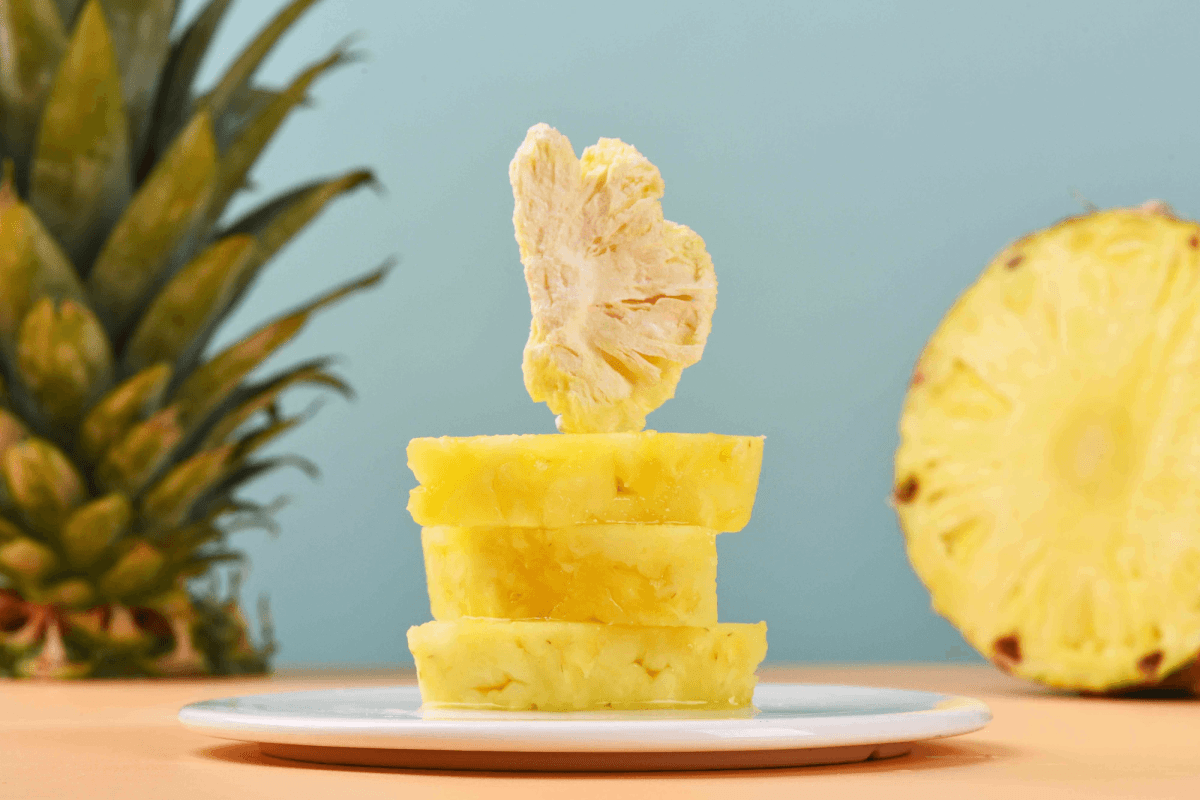
Bulk fruit buying is easier when the supplier can see the product goal. A request that says "freeze-dried mango price" is too broad. A request that says "freeze-dried mango dices for a 30 g retail snack pouch, low dust, bright color, private-label packaging, target market United States" gives the supplier something useful to evaluate.
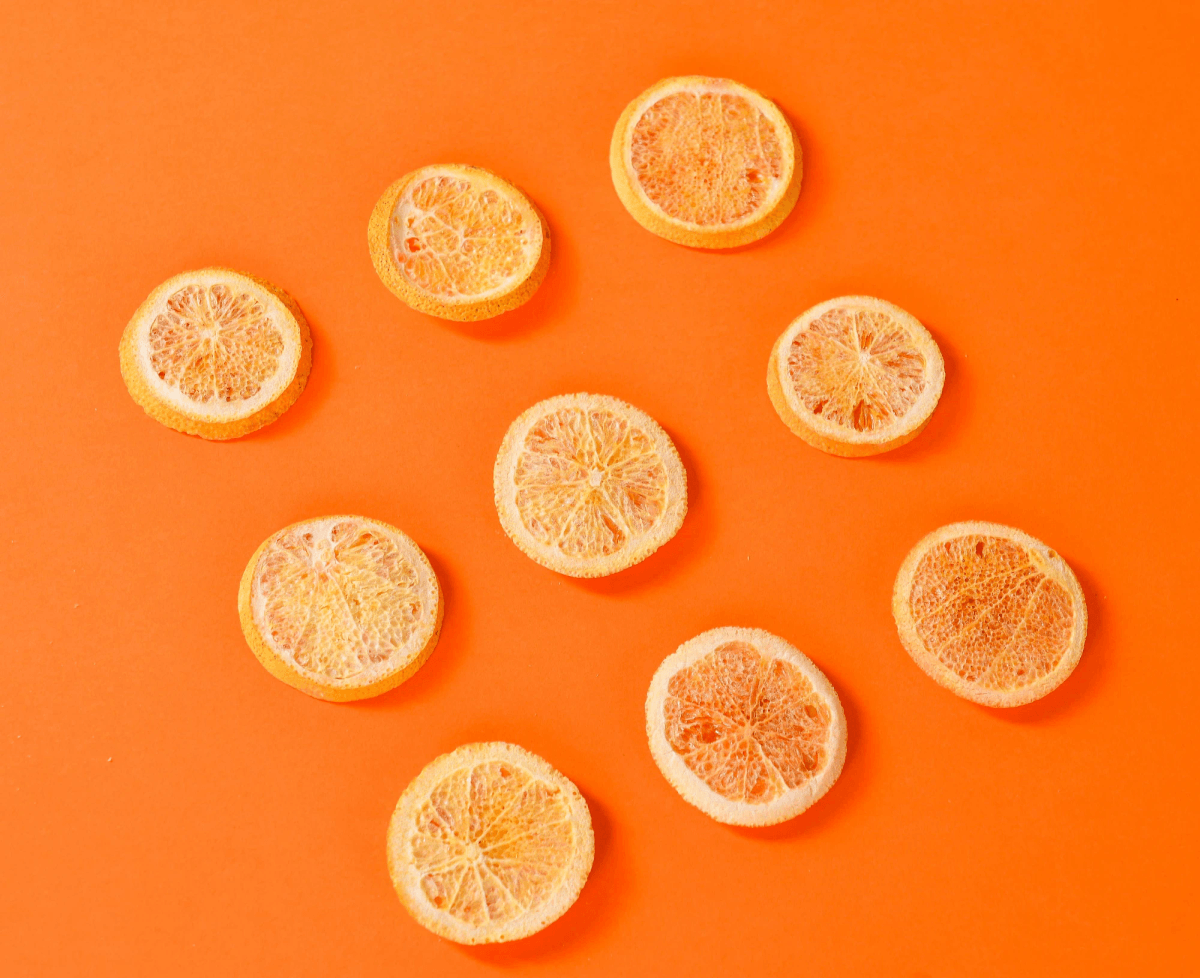
Huaping Jingnan's freeze-dried fruits category includes options such as kiwi, fig, durian, mango, lemon, apple, orange, banana, dragon fruit, passion fruit, and pineapple. Its freeze-dried berries category includes blackberry, blueberry, raspberry, mulberry, and strawberry. That range gives buyers multiple ways to build snack, bakery, cereal, beverage, and retail programs.
Compare Suppliers by Questions, Not Only Catalogs
Many suppliers can list freeze-dried fruit. Fewer can answer detailed questions clearly. When buying in bulk, the supplier should be able to discuss product form, packaging, shelf handling, documentation, sample standards, and repeat-order expectations. Richfield Food and Fierce Fruit are useful competitor references because both show how freeze-dried and fruit ingredients are organized around product categories, applications, and buyer education. Buyers can use that broader market language to ask better questions of any supplier.
Repeatability deserves special attention. A retail brand cannot change fruit size, color, or dust level from one shipment to the next without affecting customer reviews and production performance. Before scaling up, ask how the supplier manages approved samples, batch records, replacement samples, and specification changes. A responsive answer is often more useful than a long catalog because it shows how the supplier will behave after the first order.
Bulk Buyer Checklist
- Fruit and variety: Confirm the exact fruit, origin expectations, flavor profile, and whether variety matters for your product.
- Format: Choose slices, dices, whole pieces, broken pieces, granules, or powder based on use.
- Appearance: Define color, shape, size range, and defect tolerance before production.
- Moisture control: Ask about moisture and water activity when crunch, flowability, or shelf stability matters.
- Packaging: Confirm inner bags, cartons, barrier needs, desiccant use, and retail or private-label options.
- Documentation: Request product specification, certificate details, label support, and market-specific paperwork where needed.
- Sample approval: Approve samples against measurable criteria, not only a visual impression.
Do Not Overlook Packaging Format
Bulk does not always mean one large carton. A buyer might need food-service bags, manufacturing cartons, small retail pouches, trial-size snack packs, or private-label jars. The best packaging depends on how the fruit will be stored, shipped, displayed, and consumed.
Huaping Jingnan's custom product service page is useful for buyers who need custom packaging or private-label support. For a brand owner, packaging is part of the product. For a food manufacturer, packaging is part of production efficiency. For an importer, packaging is part of freight planning and damage control.
Match Fruit Choice to Application
| Application | Common Fruit Choices | Important Check |
|---|---|---|
| Retail snack pouch | Mango, strawberry, banana, apple, dragon fruit | Visual appeal, crunch, breakage, and pack weight consistency. |
| Cereal or granola | Strawberry, blueberry, raspberry, banana, apple | Particle size, dust, moisture behavior, and color stability. |
| Beverage or powder blend | Lemon, orange, strawberry, mango, dragon fruit | Mesh size, flowability, flavor intensity, and clumping risk. |
| Premium tropical assortment | Durian, mango, pineapple, passion fruit, dragon fruit | Aroma, color, pack presentation, and consumer education. |
Where Huaping Jingnan Fits
Huaping Jingnan presents itself as a freeze-dried food manufacturer for wholesale clients across global B2B supply. Its about page describes a company focused on freeze-dried fruits, vegetables, and snacks, with factory capabilities including automated freeze-drying lines, QC laboratories, hygienic workshops, and packaging zones. That positioning is relevant for buyers who want to discuss repeat supply, not only a one-time sample.
The strongest first inquiry should include product type, preferred fruit, format, pack size, estimated order volume, target market, claim requirements, and whether private-label packaging is needed. That information helps the supplier recommend a practical product rather than responding with a generic price list.
Conclusion
To buy freeze dried fruit in bulk well, buyers need to compare more than catalogs. The real sourcing decision includes fruit choice, format, quality standard, packaging, documentation, and supplier communication. Huaping Jingnan's fruit range and B2B freeze-dried food positioning make it a useful supplier to evaluate for snack brands, importers, food manufacturers, and private-label buyers who need bulk fruit with clear specifications.