
Choosing a bulk freeze-dried fruit supplier is different from buying a few sample pouches. A sample can prove that a fruit tastes good, but a supplier evaluation has to answer harder questions. Can the supplier repeat the same size and color? Can it provide documents? Can it support custom packaging? Can it protect fragile fruit through freight and warehouse handling? Can it communicate clearly when a product needs to be adjusted?
For food manufacturers, importers, snack brands, and private-label retailers, freeze-dried fruit is often part of a visible product experience. Consumers see the color, shape, and amount of fruit in the bag or bowl. That visibility makes supplier reliability important.
Evaluate The Supplier Against Your Product
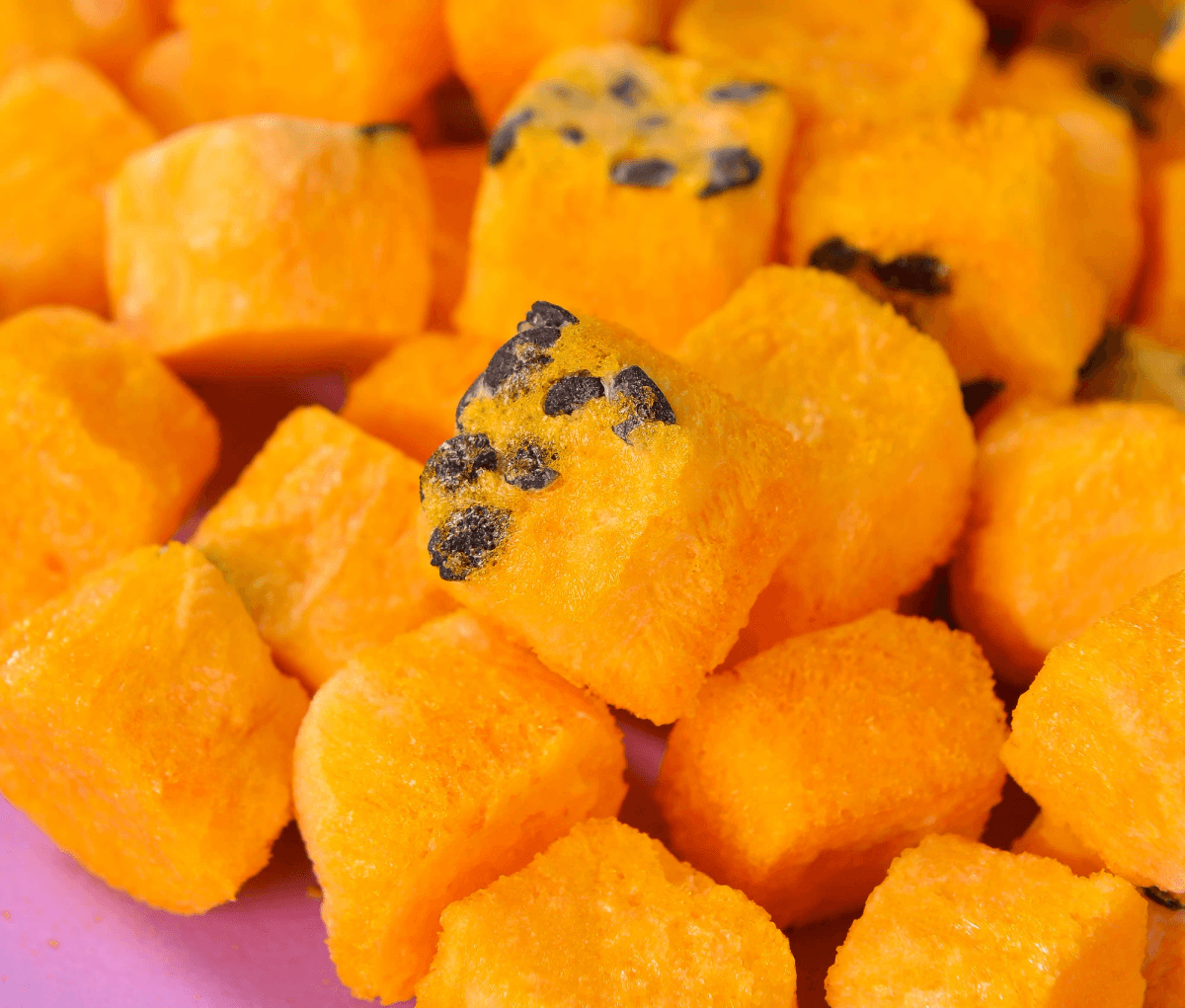
A supplier should not be judged in isolation. A good supplier for fruit powders may not be the best supplier for large fruit pieces. A supplier that works for a simple retail snack may not fit a complex cereal inclusion. Start by defining the product, then ask whether the supplier can support that product over time.
Huaping Jingnan's all-products page includes freeze-dried fruits, berries, vegetables, mushrooms, coffee, candy, and other freeze-dried foods. For a buyer, that range is useful only if the supplier can match the intended format, packaging, and document requirements. A broad catalog should lead to a more detailed conversation, not a quick assumption.
Sample Testing Should Reflect Real Handling
Freeze-dried fruit is lightweight and often fragile. A supplier sample may arrive in a small protective bag, while the actual order may move in cartons, pallets, containers, and repacking rooms. Buyers should test for breakage, dust, color stability, moisture behavior, and visual appeal after realistic handling. Powder buyers should also test clumping, flowability, and performance in the final formula.
FDA technical guidance on water activity is useful because it reminds buyers that dry food quality is connected to moisture behavior, not only visible dryness. For freeze-dried fruit, the practical question is whether the product stays crisp, free-flowing, and stable in the intended package.
Look At Scale-Up Risk Before The First Container

A supplier may perform well during sampling but struggle when the order becomes larger. Scale-up risk can appear in several ways: more broken pieces, wider color variation, slower document response, changes in packaging materials, or weaker communication when a production date moves. Buyers should ask how the supplier controls approved samples, production records, packaging changes, and batch comparison before placing a large order.
For food brands, this is not only a procurement issue. A change in fruit color can affect product photography. A higher dust level can affect fill weight and customer perception. A packaging change can affect shelf appearance or moisture protection. Supplier evaluation should therefore involve procurement, quality, product development, and packaging teams whenever the project is more than a one-time spot purchase.
A practical approach is to run a pilot order before committing to full-scale volume. The pilot should use the intended bulk pack, shipping route, and receiving process. After arrival, inspect the product against the approved sample and record differences. This gives the buyer better evidence than a small hand-packed sample alone.
That pilot can also reveal how responsive the supplier is after payment, shipment, and inspection. Good post-sample communication is a strong sign that the supplier can support a long-term program, not only a single attractive quote.
Private Label And Custom Packaging
A bulk freeze-dried fruit supplier may be asked to support more than ingredient cartons. Retail buyers may need pouch sizes, carton counts, labels, mixed fruit assortments, or custom pack formats. Huaping Jingnan's custom product service page is relevant for buyers who need packaging and product configuration discussion alongside fruit supply.
- For retail brands: Check pouch appearance, fill weight, fruit visibility, and breakage after shipping.
- For manufacturers: Check bulk bag size, line handling, dust level, and blending performance.
- For importers: Check carton labeling, documents, palletization, and local compliance needs.
- For private label: Confirm artwork process, pack size, ingredient statement, and claim support.
Where Huaping Jingnan Fits
Huaping Jingnan positions itself as a freeze-dried food manufacturer serving wholesale clients and global buyers. Its about page describes fruit processing experience, freeze-dried product lines, QC laboratories, food-grade workshops, and packaging zones. These points make it a supplier worth evaluating for buyers who need both product range and B2B packaging support.